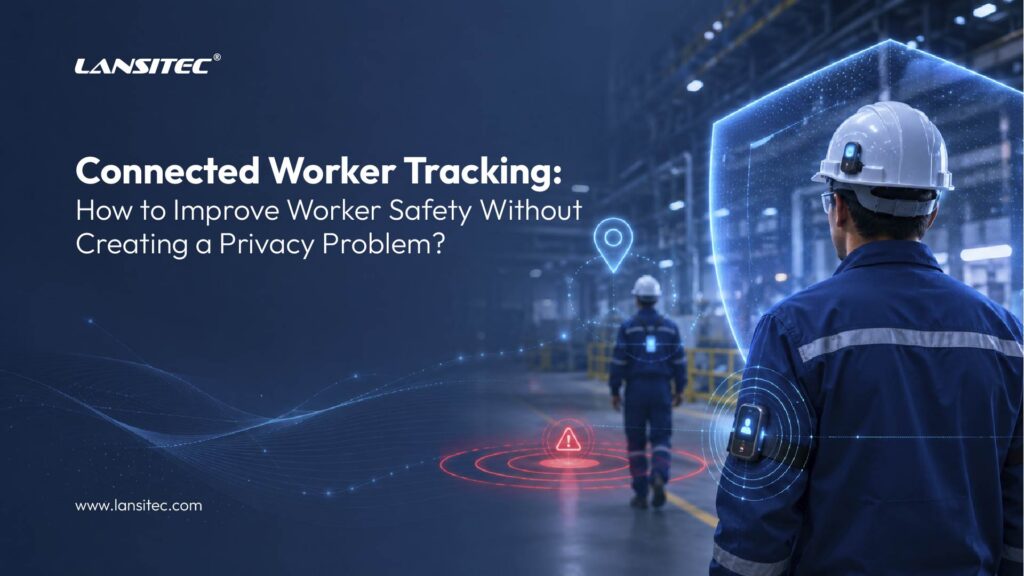
ระบบติดตามพนักงานที่เชื่อมต่อกันสามารถช่วยลดเวลาในการตอบสนองต่อเหตุฉุกเฉิน เตือนผู้คนก่อนที่พวกเขาจะเข้าไปในพื้นที่อันตราย และช่วยทีมกู้ภัยค้นหาผู้ที่ประสบอุบัติเหตุตกจากที่สูงได้ นอกจากนี้ยังสามารถสร้างบันทึกโดยละเอียดว่าพนักงานแต่ละคนไปที่ไหนบ้างและอยู่ที่นั่นนานแค่ไหน และนี่คือจุดเริ่มต้นของปัญหา.
เราเคยเห็นโครงการติดตามต่างๆ สร้างความกระตือรือร้นอย่างแท้จริงในหมู่ทีมความปลอดภัยและการปฏิบัติงาน แต่กลับชะลอตัวลงเมื่อฝ่ายทรัพยากรบุคคล ฝ่ายกฎหมาย หรือตัวแทนคนงานเข้ามาเกี่ยวข้อง ความกังวลของพวกเขาแทบจะไม่ใช่ตัวเทคโนโลยีการติดตามเอง แต่เป็นความเป็นไปได้ที่ระบบความปลอดภัยอาจกลายเป็นระบบสอดแนมโดยไม่รู้ตัว.
ดังนั้น ความเป็นส่วนตัวจึงควรเป็นข้อกำหนดในการนำไปใช้งานตั้งแต่เริ่มต้น ไม่ใช่ภาระหน้าที่ด้านการปฏิบัติตามกฎระเบียบที่เพิ่มเข้ามาหลังจากโครงการนำร่องเสร็จสิ้นแล้ว วัตถุประสงค์นั้นตรงไปตรงมา คือ รวบรวมข้อมูลให้เพียงพอเพื่อปกป้องผู้คนโดยไม่สร้างบันทึกที่ไม่จำเป็นเกี่ยวกับการทำงานในแต่ละวันของพวกเขา.
การติดตามพนักงานกับการเฝ้าระวังพนักงาน: แตกต่างกันอย่างไร?
คนงานกดปุ่มฉุกเฉินภายในโรงงานเคมี ทีมกู้ภัยต้องการทราบตำแหน่งที่แน่นอนในทันที นี่คือวัตถุประสงค์ด้านความปลอดภัยที่ชัดเจน.
ต่อมาผู้จัดการเปิดระบบเดิมขึ้นมาเพื่อเปรียบเทียบระยะเวลาที่พนักงานแต่ละคนใช้ในพื้นที่ทำงานต่างๆ ข้อมูลยังคงเหมือนเดิม แต่จุดประสงค์เปลี่ยนไป สิ่งที่เริ่มต้นจากการติดตามเหตุฉุกเฉิน ตอนนี้กลายเป็นการติดตามประสิทธิภาพการทำงาน นี่คือจุดที่หลายๆ โครงการประสบปัญหา.
ภายใต้กฎระเบียบว่าด้วยการคุ้มครองข้อมูลทั่วไปของสหภาพยุโรป (GDPR) องค์กรต่างๆ ต้องระบุเหตุผลในการประมวลผลข้อมูลส่วนบุคคล เก็บรวบรวมเฉพาะข้อมูลที่จำเป็นสำหรับวัตถุประสงค์นั้น และหลีกเลี่ยงการเก็บรักษาข้อมูลนานเกินความจำเป็น มาตรา 25 ของ GDPR ยังกำหนดให้มีการคุ้มครองข้อมูลตั้งแต่ขั้นตอนการออกแบบและการตั้งค่าเริ่มต้น ในทางตรงกันข้าม มาตรา 35 อาจกำหนดให้มีการประเมินผลกระทบด้านการคุ้มครองข้อมูลเมื่อการประมวลผลมีแนวโน้มที่จะก่อให้เกิดความเสี่ยงสูงต่อสิทธิและเสรีภาพของบุคคล. (1)
รหัสประจำตัวอุปกรณ์ก็อาจนับเป็นข้อมูลส่วนบุคคลได้เช่นกัน แม้ว่าฐานข้อมูลจะไม่แสดงชื่อของพนักงานก็ตาม หากตารางอื่นเชื่อมโยงรหัสหมวกนิรภัย A0372 กับพนักงานที่มีชื่อ ข้อมูลสถานที่ก็ยังคงสามารถระบุตัวตนได้.
ดังนั้น การออกแบบโดยคำนึงถึงความเป็นส่วนตัวจึงต้องครอบคลุมทั้งระบบ:
- อุปกรณ์สวมใส่และรูปแบบการใช้งาน
- เกตเวย์, เซิร์ฟเวอร์เครือข่าย และเครื่องมือระบุตำแหน่ง
- แผนที่ แดชบอร์ด ฐานข้อมูล และการส่งออก
- บุคคลและกระบวนการที่สามารถเข้าถึงข้อมูลได้
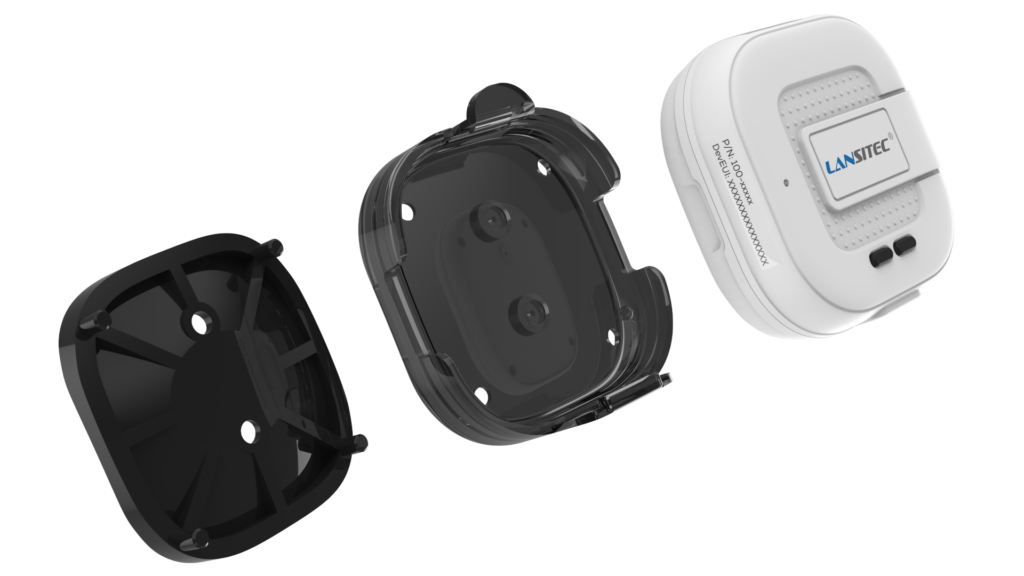
การเข้ารหัสมีความสำคัญ แต่เป็นเพียงชั้นเดียวเท่านั้น ตัวอย่างเช่น Lansitec เซ็นเซอร์หมวก LoRaWAN ใช้ AES128 สำหรับ โลราวัน การสื่อสารนั้นช่วยปกป้องการส่งข้อมูล แต่ไม่ได้ตัดสินว่าหัวหน้างานควรเห็นประวัติการเคลื่อนไหวหกเดือนหรือไม่ เจ้าของระบบต้องตัดสินใจเรื่องนี้ในแอปพลิเคชันและนโยบายการใช้งานของแอปพลิเคชันนั้น.
วิธีการกำหนดวัตถุประสงค์ที่ชัดเจนสำหรับการติดตามพนักงาน
“คำว่า ”การติดตามพนักงาน” นั้นกว้างเกินไปที่จะใช้เป็นแนวทางในการใช้งานที่คำนึงถึงความเป็นส่วนตัว ควรกำหนดผลลัพธ์ด้านความปลอดภัยที่ชัดเจนแทน คำแถลงวัตถุประสงค์ที่เหมาะสมอาจมีดังนี้:
ระบบนี้ตรวจจับสัญญาณเตือนภัยที่ผู้ปฏิบัติงานเป็นผู้ตั้งขึ้น การหกล้ม การเข้าสู่พื้นที่อันตรายที่กำหนด และการอยู่ในพื้นที่ควบคุมนานเกินไป และให้ข้อมูลตำแหน่งที่ตั้งแก่ผู้ตอบสนองที่ได้รับอนุญาตในระหว่างเหตุการณ์ด้านความปลอดภัยหรือการอพยพ.
คำแถลงดังกล่าวได้กำหนดขอบเขตที่เป็นประโยชน์ไว้ แต่ไม่ได้อนุญาตให้มีการประเมินผลการทำงาน การวิเคราะห์การเข้างานอย่างต่อเนื่อง การเพิ่มประสิทธิภาพเส้นทางตามแต่ละบุคคล หรือการตรวจสอบด้านวินัย.
ข้อจำกัดด้านวัตถุประสงค์ยังช่วยป้องกันการขยายผลอย่างเงียบๆ หลังจากการใช้งาน หากฝ่ายบริหารต้องการใช้ประวัติสถานที่เพื่อเหตุผลอื่นในภายหลัง องค์กรควรทำการประเมินความจำเป็น ความเหมาะสม และพื้นฐานทางกฎหมายแยกต่างหาก ข้อมูลด้านความปลอดภัยไม่ควรกลายเป็นข้อมูลด้านประสิทธิภาพโดยอัตโนมัติเพียงเพราะแดชบอร์ดทำให้เป็นไปได้.
ระบบติดตามพนักงานตามเหตุการณ์ช่วยปกป้องความเป็นส่วนตัวได้อย่างไร
ไม่ใช่ทุกคนที่ต้องการแผนที่แบบเรียลไทม์ของพนักงานทุกคน ระบบที่คำนึงถึงความเป็นส่วนตัวสามารถแสดงข้อมูลพื้นฐานในกิจวัตรประจำวันได้ ในขณะที่แสดงรายละเอียดเพิ่มเติมในระหว่างเหตุการณ์ที่กำหนดไว้ ภายใต้สภาวะปกติ แดชบอร์ดอาจแสดงเพียง:
- จำนวนผู้คนที่อยู่ในแต่ละเขตปลอดภัย
- อุปกรณ์สวมใส่ที่กำหนดไว้จะออนไลน์หรือไม่
- การแจ้งเตือนที่ยังไม่ได้รับการแก้ไข เช่น การล้ม การตื่นตระหนก การอยู่เกินกำหนด หรือการแจ้งเตือนโซน
- สถานะการอพยพของพื้นที่ทำงาน
เมื่อพนักงานกดปุ่มฉุกเฉิน ระบบจะเปิดเผยตำแหน่งปัจจุบันหรือตำแหน่งสุดท้ายที่ทราบของบุคคลนั้นให้แก่ทีมตอบสนองที่ได้รับอนุญาต กฎเดียวกันนี้สามารถใช้ได้หลังจากสัญญาณเตือนการตก การอพยพ หรือเมื่อมีคนอยู่ในพื้นที่จำกัดนานเกินไป.
นี่คือระบบการมองเห็นเฉพาะกรณีฉุกเฉินเท่านั้น ช่วยให้เจ้าหน้าที่ผู้ปฏิบัติงานได้รับข้อมูลที่จำเป็นโดยไม่ต้องเปลี่ยนการปฏิบัติงานประจำให้เป็นการสังเกตการณ์อย่างต่อเนื่อง.
การ เซ็นเซอร์หมวกกันน็อค Lansitec ระบบนี้เป็นพื้นฐานที่ใช้งานได้จริงสำหรับแนวทางนี้ โดยรองรับการระบุตำแหน่งด้วย GNSS กลางแจ้ง การระบุตำแหน่งด้วยบลูทูธในอาคาร ช่วงเวลาการรายงานที่กำหนดค่าได้ การตรวจจับการสวมใส่และการล้ม สัญญาณเตือนภัยฉุกเฉิน การแจ้งเตือนโซน และสัญญาณเตือนการอยู่เกินเวลา อย่างไรก็ตาม แพลตฟอร์มที่ลูกค้าเลือกใช้จะต้องบังคับใช้ว่าใครสามารถดูข้อมูลที่ได้และภายใต้เงื่อนไขใดบ้าง.
การเข้าถึงข้อมูลตำแหน่งที่ตั้งของพนักงานตามบทบาท
ข้อผิดพลาดในการนำไปใช้งานที่พบบ่อยคือ การให้สิทธิ์การเข้าถึงแก่ผู้จัดการเท่ากับเจ้าหน้าที่รับมือเหตุฉุกเฉิน การตั้งค่าทำได้ง่าย แต่การหาเหตุผลสนับสนุนนั้นยาก.
กำหนดสิทธิ์การเข้าถึงตามความต้องการในการปฏิบัติงาน:
| บทบาท | การเข้าถึงที่เหมาะสม | การเข้าถึงเพื่อหลีกเลี่ยงโดยค่าเริ่มต้น |
|---|---|---|
| เจ้าหน้าที่กู้ภัยฉุกเฉิน | ระบุตำแหน่งได้อย่างแม่นยำในระหว่างเหตุการณ์ฉุกเฉิน การอพยพ หรือการช่วยเหลือ | การเคลื่อนไหวทางประวัติศาสตร์ตามปกติ |
| ผู้จัดการ EHS | การแจ้งเตือนด้านความปลอดภัย บันทึกเหตุการณ์ แนวโน้มความเสี่ยงในพื้นที่ | การติดตามเหตุการณ์ที่ไม่เกี่ยวข้อง |
| หัวหน้างานฝ่ายผลิต | จำนวนพนักงาน สถานะอุปกรณ์ การแจ้งเตือนที่ยังไม่ได้รับการแก้ไข | ประวัติตำแหน่งที่ตั้งของแต่ละบุคคลอย่างต่อเนื่อง |
| ฝ่ายทรัพยากรบุคคล | นโยบาย การร้องเรียน และเอกสารเหตุการณ์ที่ได้รับการอนุมัติ | แผนที่แสดงตำแหน่งพนักงานแบบเรียลไทม์ |
| ผู้ดูแลระบบไอที | สถานะอุปกรณ์ การกำหนดค่า รหัสอุปกรณ์แบบไม่ระบุตัวตน | การกำหนดรหัสประจำตัวพนักงานในกรณีที่ไม่จำเป็น |
ควรแยกข้อมูลระบุตัวตนออกจากข้อมูลตำแหน่งที่ตั้งเมื่อทำได้ ผู้ดูแลระบบไอทีอาจจำเป็นต้องแก้ไขปัญหาเซ็นเซอร์ในหมวกกันน็อคโดยไม่รู้ว่าใครสวมใส่ เจ้าหน้าที่กู้ภัยอาจต้องการข้อมูลระบุตัวตนและตำแหน่งที่ตั้งระหว่างเหตุฉุกเฉิน ความต้องการทั้งสองอย่างนี้ไม่ได้เป็นเหตุผลที่เพียงพอสำหรับการให้ผู้ดูแลระบบทุกคนเข้าถึงข้อมูลทั้งสองชุดได้อย่างไม่จำกัด.
การเข้าถึงแบบพิเศษควรต้องใช้บัญชีส่วนบุคคลด้วย การใช้ข้อมูลประจำตัวร่วมกันใน "ห้องควบคุม" ทำให้ไม่สามารถระบุได้ว่าใครดูหรือส่งออกประวัติการทำงานของพนักงานบ้าง.
ควรเก็บข้อมูลตำแหน่งที่ตั้งของพนักงานไว้นานแค่ไหน?
การติดตามอย่างต่อเนื่องอาจก่อให้เกิดข้อมูลตำแหน่งจำนวนมหาศาล การเก็บรักษาข้อมูลทั้งหมดไว้ "เผื่อไว้" จะเพิ่มความเสี่ยงด้านกฎหมาย ความปลอดภัยทางไซเบอร์ และความสัมพันธ์กับพนักงาน โดยไม่ได้ช่วยปรับปรุงความปลอดภัยแต่อย่างใด.
สร้างตารางกำหนดระยะเวลาการเก็บรักษาข้อมูลสำหรับข้อมูลแต่ละประเภท แทนที่จะกำหนดระยะเวลาเดียวสำหรับข้อมูลทั้งหมด:
| หมวดหมู่ข้อมูล | แนวทางการรักษาความรู้เชิงปฏิบัติ |
|---|---|
| ตำแหน่งปัจจุบัน | ใช้สำหรับปฏิบัติการในปัจจุบันเท่านั้น หลีกเลี่ยงการทิ้งร่องรอยต่อเนื่องเว้นแต่จำเป็น |
| การปรากฏตัวตามปกติในเขตพื้นที่ | ลบหรือรวมข้อมูลหลังจากความต้องการใช้งานสิ้นสุดลง |
| เหตุการณ์ตื่นตระหนก ล้ม หรืออยู่เกินกำหนด | เก็บรักษาไว้ภายใต้นโยบายการสอบสวนเหตุการณ์ที่ได้รับการอนุมัติ |
| การวินิจฉัยอุปกรณ์ | ควรเก็บข้อมูลแยกจากข้อมูลส่วนบุคคลของพนักงานหากเป็นไปได้ |
| แนวโน้มความปลอดภัยโดยรวม | เก็บรักษาข้อมูลไว้นานขึ้นได้ก็ต่อเมื่อมีการปกปิดข้อมูลส่วนบุคคลอย่างมีประสิทธิภาพแล้วเท่านั้น |
| การออกบัตรผู้เยี่ยมชม | หมดอายุหลังจากการเยี่ยมชมและช่วงเวลาการกระทบยอดสั้นๆ |
ไม่มีระยะเวลาการเก็บรักษาข้อมูลที่เป็นมาตรฐานสากลที่ใช้ได้กับทุกการใช้งาน กฎระเบียบด้านความปลอดภัยในการทำงาน ข้อกำหนดในการสอบสวนอุบัติเหตุ ข้อผูกพันด้านประกันภัย และกฎหมายแรงงานของแต่ละประเทศแตกต่างกันไป มาตรา 88 ของ GDPR อนุญาตให้ประเทศสมาชิกสหภาพยุโรปกำหนดกฎระเบียบเกี่ยวกับการประมวลผลข้อมูลการจ้างงานที่ละเอียดกว่านี้ได้. (1)
ประเด็นสำคัญคือต้องเลือกและบันทึกแต่ละช่วงเวลาก่อนเริ่มการรวบรวมข้อมูล จากนั้นการลบควรเกิดขึ้นโดยอัตโนมัติ นโยบายที่ระบุว่า “ลบหลังจาก 30 วัน” จะไม่มีประโยชน์อะไรหากไม่มีกระบวนการใด ๆ ที่ลบระเบียนออกจากฐานข้อมูลหลัก การส่งออก และการสำรองข้อมูลจริง ๆ.
วิธีใช้ข้อมูลการติดตามพนักงานโดยไม่ระบุตัวตนของพนักงาน
ระบบเชื่อมต่อข้อมูลพนักงานสามารถเปิดเผยรูปแบบที่เป็นประโยชน์ได้โดยไม่ต้องระบุชื่อบุคคล ทีมความปลอดภัยอาจต้องการทราบข้อมูลดังต่อไปนี้:
- พื้นที่อันตรายใดบ้างที่ก่อให้เกิดการแจ้งเตือนมากที่สุด
- เมื่อเกิดเหตุการณ์ผู้เข้าพักแออัดหรืออยู่เกินกำหนด
- การนับจำนวนผู้ที่ต้องอพยพใช้เวลานานแค่ไหน
- พื้นที่บางแห่งมีการครอบคลุมสัญญาณตำแหน่งที่อ่อนแอหรือไม่
คำถามเหล่านี้มักต้องการทราบแนวโน้ม ไม่ใช่ร่องรอยการเคลื่อนไหวของแต่ละบุคคล การรวมกลุ่มช่วยลดความเสี่ยงด้านความเป็นส่วนตัว แต่ไม่ได้ขจัดความเสี่ยงนั้นไปโดยอัตโนมัติ รายงานที่แสดงว่า “พนักงานคนหนึ่ง” ใช้เวลา 47 นาทีในห้องที่จำกัดการเข้าถึง อาจยังคงระบุตัวบุคคลนั้นได้ กำหนดขนาดกลุ่มขั้นต่ำ ปิดบังกลุ่มขนาดเล็กมาก ลบการประทับเวลาที่ไม่จำเป็น และตรวจสอบว่าการรวมกันของกะการทำงาน บทบาท และสถานที่ อาจเปิดเผยตัวบุคคลได้หรือไม่.
การใช้นามแฝงและการปกปิดตัวตนก็แตกต่างกันเช่นกัน การแทนที่ชื่อพนักงานด้วยหมายเลขอุปกรณ์ถือเป็นการใช้นามแฝงหากองค์กรสามารถเชื่อมโยงหมายเลขนั้นกับบุคคลนั้นได้ ข้อมูลก็ยังคงอยู่ภายใต้กฎหมายคุ้มครองข้อมูลอยู่ดี.
วิธีจัดการการติดตามผู้เยี่ยมชมและบัตรประจำตัวชั่วคราว
บัตรประจำตัวผู้เยี่ยมชมก่อให้เกิดปัญหาด้านความเป็นส่วนตัวที่เล็กกว่าแต่ถูกมองข้ามได้ง่าย ผู้เยี่ยมชมอาจไม่ได้เข้าร่วมการบรรยายสรุปสำหรับพนักงาน ไม่เข้าใจคำศัพท์เฉพาะของสถานที่ หรือไม่คาดหวังว่าการเคลื่อนไหวของพวกเขาจะถูกบันทึกไว้.
ใช้รหัสประจำตัวผู้เยี่ยมชมชั่วคราว และเก็บข้อมูลการเชื่อมโยงข้อมูลประจำตัวไว้ในแผนกต้อนรับหรือระบบควบคุมการเข้าออก อธิบายหน้าที่ของบัตรเมื่อออกบัตรให้ โดยเฉพาะอย่างยิ่งหากมีการแจ้งเตือนเมื่อเข้าพื้นที่ การเข้าถึงควรหมดอายุโดยอัตโนมัติเมื่อสิ้นสุดการเยี่ยมชม.
ห้ามนำบันทึกการกำหนดสิทธิ์ของผู้เยี่ยมชมคนก่อนมาใช้ซ้ำเมื่อมอบบัตรประจำตัวให้แก่บุคคลใหม่ สามารถนำอุปกรณ์จริงกลับมาใช้ใหม่ได้ แต่ต้องปิดการเชื่อมโยงข้อมูลประจำตัวและข้อมูลเซสชันก่อน.
สำหรับเว็บไซต์หลายแห่ง การติดตามผู้เข้าชมสามารถคงไว้ซึ่งการติดตามตามเหตุการณ์เท่านั้น เช่น การยืนยันการเข้า การแจ้งเตือนพื้นที่หวงห้าม เป็นต้น, การรวมพลฉุกเฉิน, และการส่งคืนป้าย เส้นทางประวัติศาสตร์โดยละเอียดมักเพิ่มคุณค่าเพียงเล็กน้อย.
สิ่งที่พนักงานควรรู้เกี่ยวกับการติดตามตำแหน่งที่ตั้ง
คำกล่าวที่ไม่ชัดเจน เช่น “การติดตามใช้เพื่อวัตถุประสงค์ด้านความปลอดภัยและการปฏิบัติงาน” จะไม่สร้างความไว้วางใจ และยังเปิดช่องให้ตีความได้หลายแบบเกินไป.
พนักงานควรได้รับคำตอบที่เข้าใจง่ายสำหรับคำถามสี่ข้อต่อไปนี้:
- อุปกรณ์นี้เก็บรวบรวมข้อมูลเหตุการณ์และข้อมูลตำแหน่งอะไรบ้าง?
- ใครบ้างที่สามารถดูข้อมูลแบบเรียลไทม์และข้อมูลย้อนหลังได้?
- เอกสารแต่ละประเภทจะถูกเก็บรักษาไว้นานแค่ไหน?
- สามารถนำข้อมูลนี้ไปใช้ในการตัดสินใจเรื่องผลการปฏิบัติงานหรือวินัยได้หรือไม่?
การสื่อสารควรเกิดขึ้นก่อนการทดลอง ไม่ใช่หลังจากที่พนักงานสังเกตเห็นสิ่งใหม่แล้ว เซ็นเซอร์ บนหมวกกันน็อกของพวกเขา.
การปรึกหารือก็มีความสำคัญเช่นกัน ตัวแทนด้านความปลอดภัย สหภาพแรงงาน สภาแรงงาน ฝ่ายทรัพยากรบุคคล ฝ่ายรักษาความปลอดภัยด้านไอที และเจ้าหน้าที่คุ้มครองข้อมูล อาจระบุปัญหาที่ทีมเทคนิคไม่สามารถมองเห็นได้ ตัวอย่างเช่น การรายงาน GNSS อย่างต่อเนื่องอาจดำเนินต่อไปในช่วงพักกลางวันนอกสถานที่ทำงาน วิธีแก้ปัญหาอาจเป็นการหยุดการติดตามที่เชื่อมโยงกับตัวตนชั่วคราวในช่วงนอกเวลาทำงาน ใช้กระบวนการเชื่อมต่อเมื่อสิ้นสุดกะ หรือจำกัดการรายงานเฉพาะในพื้นที่ทำงาน.
อย่าคิดว่าการยินยอมของพนักงานจะแก้ปัญหาได้ คำแนะนำของสหภาพยุโรปตระหนักถึงความไม่สมดุลระหว่างนายจ้างและลูกจ้าง ซึ่งมักทำให้การยินยอมในที่ทำงานไม่เหมาะสมที่จะใช้เป็นพื้นฐานทางกฎหมายหลัก (3)(4) องค์กรต้องระบุพื้นฐานทางกฎหมายที่เหมาะสมและแสดงให้เห็นว่าการติดตามยังคงมีความจำเป็นและได้สัดส่วน.
วิธีการตรวจสอบการเข้าถึงข้อมูลตำแหน่งที่ตั้งของพนักงาน
หากแพลตฟอร์มบันทึกข้อมูลผู้ปฏิบัติงาน ก็ควรบันทึกวิธีการใช้งานแพลตฟอร์มของผู้ดูแลระบบด้วยเช่นกัน.
บันทึกการตรวจสอบควรบันทึกสิ่งต่อไปนี้:
- ใครบ้างที่ดูข้อมูลตำแหน่งที่ตั้งที่แม่นยำ
- พวกเขาเปิดบันทึกข้อมูลพนักงานหรืออุปกรณ์ใด
- เมื่อพวกเขาทำการส่งออก เปลี่ยนแปลง หรือลบข้อมูล
- ไม่ว่าจะเป็นการเข้าถึงที่เกี่ยวข้องกับสัญญาณเตือน การสอบสวน หรือภารกิจสนับสนุนที่ได้รับอนุมัติ
ตรวจสอบบันทึกเหล่านี้ อย่าเก็บรวบรวมบันทึกเพียงเพื่อให้ตรงตามรายการตรวจสอบ.
การดำเนินการที่ละเอียดอ่อนอาจต้องใช้รหัสเหตุผล หมายเลขตั๋ว หรือรหัสเหตุการณ์ การใช้งานบางอย่างอาจได้รับประโยชน์จากการอนุมัติจากบุคคลสองคนก่อนที่จะส่งออกประวัติการเคลื่อนไหวที่ยาวนาน.
โปรดจำไว้ว่าบันทึกการตรวจสอบประกอบด้วยข้อมูลส่วนบุคคลเกี่ยวกับผู้ดูแลระบบ จึงควรจำกัดและเก็บรักษาข้อมูลเหล่านั้นตามวัตถุประสงค์ที่ระบุไว้.
วิธีทดสอบความเป็นส่วนตัวของการติดตามพนักงานก่อนการใช้งานจริง
การทดสอบทางเทคนิคถามว่าระบบสามารถระบุตำแหน่งของพนักงานได้หรือไม่ การทดสอบความเป็นส่วนตัวถามว่าระบบทำงานอย่างเหมาะสมหรือไม่เมื่อไม่มีใครตกอยู่ในอันตราย.
ก่อนใช้งานจริง ควรทดสอบสถานการณ์ต่างๆ เช่น:
- หัวหน้างานพยายามเข้าไปดูพนักงานที่ไม่มีสัญญาณเตือนภัยทำงานอยู่.
- ผู้ดูแลระบบส่งออกข้อมูลประวัติมากกว่าที่บทบาทของตนอนุญาต.
- บัตรผู้เยี่ยมชมจะยังคงเชื่อมโยงกับผู้สวมใส่คนก่อนหน้า.
- พนักงานคนหนึ่งออกจากสถานที่ทำงานโดยยังคงสวมอุปกรณ์ดังกล่าวอยู่.
การประเมินผลกระทบด้านการคุ้มครองข้อมูล (Data Protection Impact Assessment) เป็นวิธีการที่เป็นระบบในการตรวจสอบความเสี่ยงเหล่านี้ คณะกรรมการคุ้มครองข้อมูลแห่งยุโรปแนะนำให้ใช้หลักการคุ้มครองข้อมูลตั้งแต่ขั้นตอนการออกแบบตลอดวงจรการประมวลผล ตั้งแต่การเลือกเทคโนโลยีและการตั้งค่าเริ่มต้น ไปจนถึงการลบและการเลิกใช้งาน. (2)
ทำงานนี้ในขณะที่ตัวเลือกการกำหนดค่าต่างๆ ยังเปิดกว้างอยู่ ความเป็นส่วนตัวจะมีค่าใช้จ่ายสูงขึ้นมากเมื่อแดชบอร์ด การผสานรวม และความคาดหวังด้านการจัดการได้ก่อตัวขึ้นบนพื้นฐานของข้อมูลที่ไม่จำกัดแล้ว.
ระบบติดตามตัวพนักงานสามารถช่วยเพิ่มความปลอดภัยได้โดยไม่ต้องมีการเฝ้าระวังอย่างต่อเนื่องหรือไม่?
ระบบติดตามคนทำงานที่เชื่อมต่อกันสามารถปกป้องผู้คนได้โดยไม่ต้องบันทึกทุกการเคลื่อนไหวอย่างไม่มีกำหนด.
เริ่มต้นด้วยวัตถุประสงค์ด้านความปลอดภัยที่ชัดเจน รักษาการมองเห็นในภาพรวมให้กว้างๆ เปิดเผยตำแหน่งที่แน่นอนเฉพาะในกรณีฉุกเฉินที่กำหนดไว้ แยกบทบาทการปฏิบัติงาน จำกัดการเก็บรักษาข้อมูล รวบรวมข้อมูลวิเคราะห์ อธิบายระบบอย่างชัดเจน และตรวจสอบการเข้าถึง.
เทคโนโลยีนี้สามารถรองรับได้ทั้งด้านความปลอดภัยและการเฝ้าระวัง การออกแบบที่คำนึงถึงความเป็นส่วนตัวจะเป็นตัวกำหนดว่าคุณจะใช้งานระบบใดจริง ๆ.
คำถามที่พบบ่อย
เกี่ยวกับระบบติดตามพนักงานที่เชื่อมต่ออินเทอร์เน็ต
การติดตามตำแหน่งที่ตั้งของพนักงานนั้นถูกกฎหมายหรือไม่?
อาจเป็นไปได้ แต่ความชอบด้วยกฎหมายขึ้นอยู่กับวัตถุประสงค์ ความจำเป็น ความได้สัดส่วน หลักการทางกฎหมาย ความโปร่งใส มาตรการคุ้มครอง และกฎหมายแรงงานของประเทศที่เกี่ยวข้อง องค์กรควรประเมินปัจจัยเหล่านี้ก่อนนำไปใช้งาน และจัดทำรายงานการประเมินผลกระทบด้านการคุ้มครองข้อมูล (DPIA) ในกรณีที่การประมวลผลข้อมูลมีแนวโน้มที่จะก่อให้เกิดความเสี่ยงสูง.
ควรมีการติดตามการทำงานของพนักงานอย่างต่อเนื่องหรือไม่?
ไม่ใช่โดยอัตโนมัติ การติดตามอย่างต่อเนื่องควรต้องมีเหตุผลการใช้งานที่ชัดเจน กรณีการใช้งานด้านความปลอดภัยหลายอย่างสามารถอาศัยสถานะของโซน การทำงานของอุปกรณ์ หรือการเข้าถึงตำแหน่งที่แม่นยำเมื่อเกิดเหตุการณ์ขึ้น แทนที่จะเก็บประวัติการเคลื่อนไหวทั้งหมดไว้.
นายจ้างสามารถอาศัยความยินยอมของลูกจ้างได้หรือไม่?
บ่อยครั้งที่การให้ความยินยอมไม่ได้เกิดขึ้นโดยสมัครใจ ความไม่สมดุลของอำนาจในความสัมพันธ์การจ้างงานอาจขัดขวางไม่ให้มีการให้ความยินยอมโดยสมัครใจ นายจ้างควรขอคำแนะนำเฉพาะเขตอำนาจศาลและระบุพื้นฐานทางกฎหมายที่เหมาะสมก่อนเริ่มดำเนินการ.
ควรเก็บรักษาข้อมูลตำแหน่งที่ตั้งของพนักงานไว้นานแค่ไหน?
ไม่มีระยะเวลาการเก็บรักษาที่ถูกต้องตายตัว ข้อมูลตำแหน่งที่ตั้งแบบเรียลไทม์ เหตุการณ์ด้านความปลอดภัย การวินิจฉัยอุปกรณ์ เหตุการณ์การเข้าถึง และสถิติโดยรวม มีวัตถุประสงค์ที่แตกต่างกัน และควรมีกฎการเก็บรักษาที่แยกจากกัน เก็บรักษาข้อมูลที่ระบุตัวตนได้เฉพาะตราบเท่าที่จำเป็นสำหรับวัตถุประสงค์ที่ระบุไว้เท่านั้น.
การเข้ารหัสทำให้ระบบติดตามพนักงานมีความเป็นส่วนตัวหรือไม่?
ไม่ การเข้ารหัสช่วยปกป้องข้อมูลระหว่างการส่งหรือการจัดเก็บ แต่ไม่ได้ควบคุมว่าทำไมจึงมีการเก็บรวบรวมข้อมูล ใครสามารถดูข้อมูลได้ ข้อมูลถูกนำไปใช้อย่างไร หรือเมื่อใดจึงจะถูกลบ ความเป็นส่วนตัวต้องอาศัยทั้งการควบคุมทางเทคนิคและการควบคุมทางองค์กร.