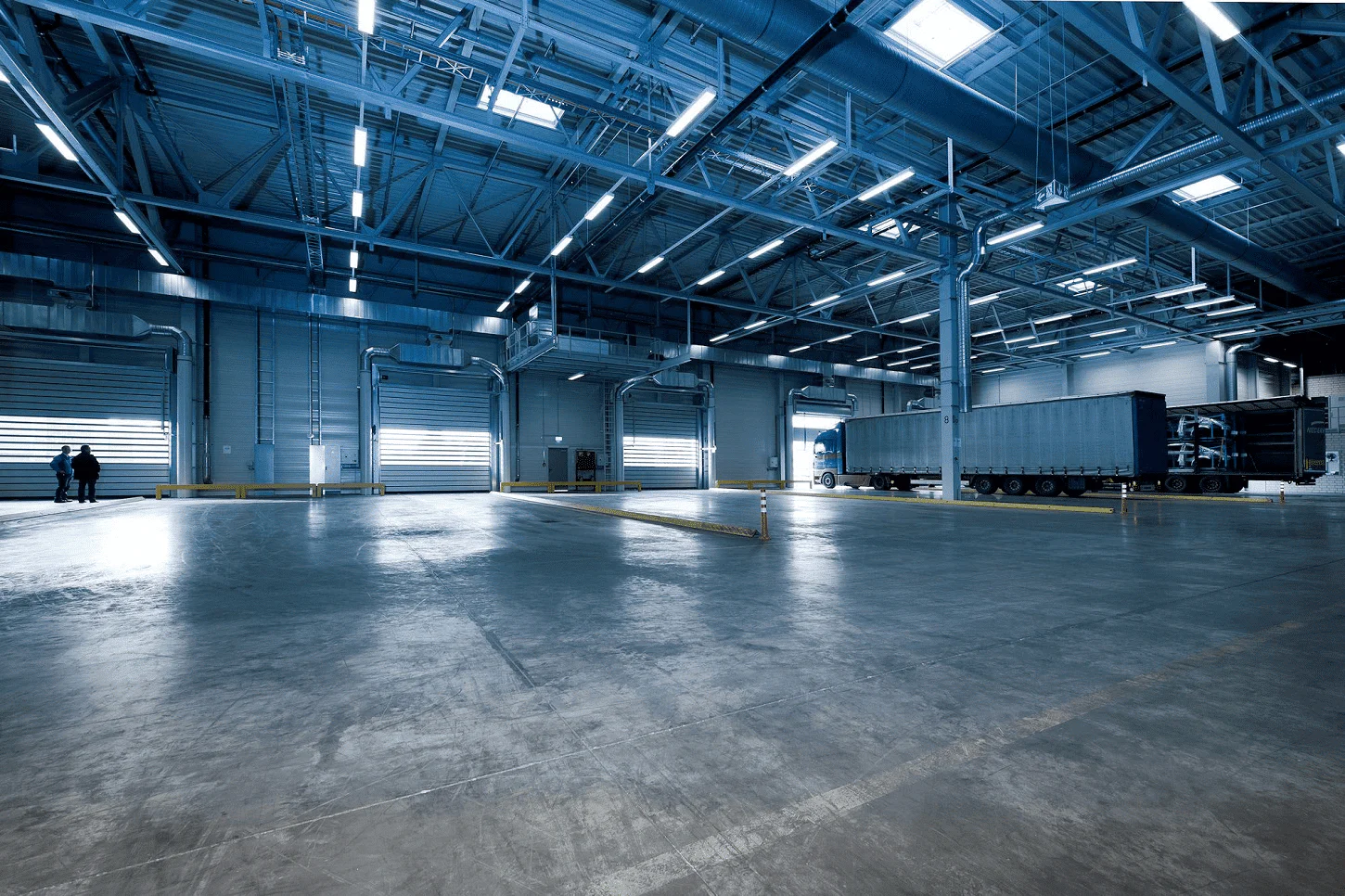
Nowadays, one parameter is missing from many scenarios, car rental, assets in warehouses, packages and containers in logistics, hospital personnel, and people who are injured but cannot be reached (chemical factory, mining site). This parameter connects and automates many processes that fell apart before, improves efficiency and safety, and lowers the cost of the total flow, which in turn improves the competitiveness of the organization, customer satisfaction, and comfort of employees. It can be widely used in industry, agriculture, logistics, consumer electronics, and aerospace. It is the POSITION, the purpose of asset and people tracking. Actually, the requirements for the position were there. The new technologies make them possible now.
The Positioning Technologies are Listed Below.
Communication
LPWAN (LoRa and NB-IoT, .etc.), CAT-M, and CAT-1 offer low-power, long-distance communication coverage from a small building to worldwide. BLE with iBeacon and Eddystone protocol, UWB, and AoA enables a short-distance positioning method.
Leer: LTE-M vs Cat-1: A Comparison of The Two IoT Technologies
Sensores
Especially MEMS sensores, enable us to measure temperature, humidity, air pressure, accelerated speed, angular velocity, heart rate, etc.
Batería
MnNiCo ternary battery, LiFePO4 ternary battery, LiMn2O4 ternary battery, Li/SOCl2 (lithium thionyl chloride) battery, etc. We have vast battery options for different use cases with different requirements on temperature range, battery life, product size, and safety
Cloud Computing
AWS, Azure, AliCloud, and SaaS providers enable us to meet almost any clients’ software needs.
Semicondutor
The new technology, lowers IC cost, power consumption, and reduces chip dimension.
Tracking productos y soluciones combine the above features with positioning technologies. The typical positioning technologies are based on sound, light, electricity, magnet, and inertia. Even though there are varieties of derived technologies based on these theories, no one technology is the best because each use case has different requirements. This paper briefly introduces the basic principles, the pros, and the cons of each principle. It mainly introduces wireless technologies and uses to help readers select the most appropriate positioning technology and solution for industrial use.
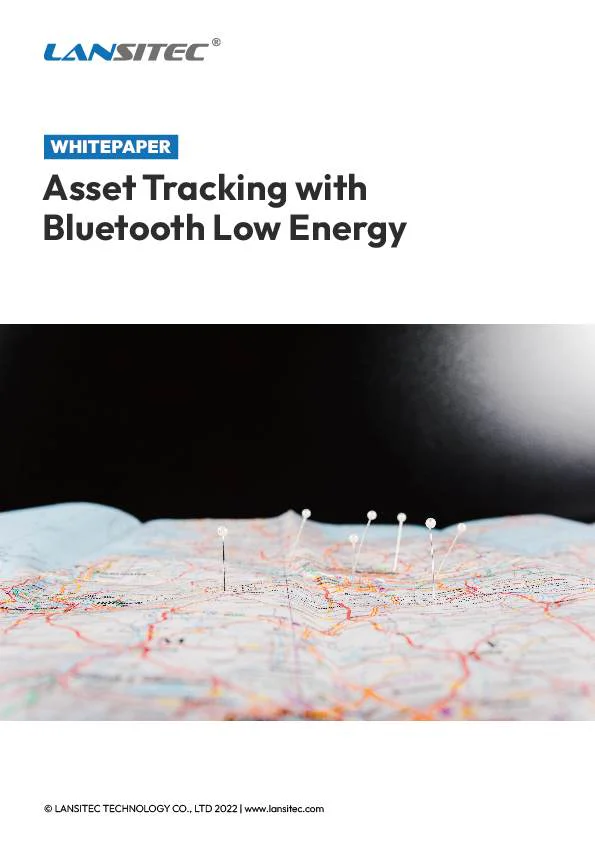
Explore el documento técnico: Introducción a los principios básicos de la tecnología de posicionamiento.

 English
 ไทย
 한국어
 Français
 Deutsch
 日本語
 العربية
 Italiano
 Español de Chile
 Português (AO90)