

Zusammenfassung: Warum die Ventilprüfung bei intelligenter Bewässerung wichtig ist
Wir haben gelernt (manchmal auf die harte Tour), dass “intelligente Bewässerung” nur so intelligent ist wie die letzte Ventileinstellung. Ist ein Ventil halb geöffnet, klemmt es oder wird es von jemandem auf dem Feld unbemerkt verstellt, sehen die Anzeigen zwar perfekt aus, aber Wasser und Energie verschwinden.
Eine regionale Bewässerungskooperative im Südosten Spaniens (Klima ähnlich wie in Murcia/Almería) betreibt ein gemischtes Bewässerungsnetz: Aufbereitetes Wasser wird am Einlaufbauwerk beigemischt, Druckzonen versorgen Obstplantagen und Gewächshäuser, und ein kleines Golfresort ist an dasselbe Verteilungsnetz angeschlossen. Wasser ist knapp, die Kontrollen sind streng, und der Satz “Das Ventil war halb offen” will niemand mehr hören.
Warum das wichtig ist: Die Landwirtschaft macht weltweit immer noch den größten Anteil der Süßwasserentnahmen aus, etwa 701 TP3T in vielen viel zitierten Zusammenfassungen. (1) Der Trend zu Dürre und Wasserknappheit in Europa ist keine theoretische Zukunftsvision, sondern im Zeitraum 2000–2023 messbar. (2)
Diese Fallstudie zeigt, wie ein LoRaWAN Winkelsensoren an Ventilen schließen diese Sichtlücke im großen Maßstab, ohne dass tägliche Begehungen vor Ort erforderlich sind.
Warum die Ventilprüfung für die moderne Bewässerung so wichtig geworden ist
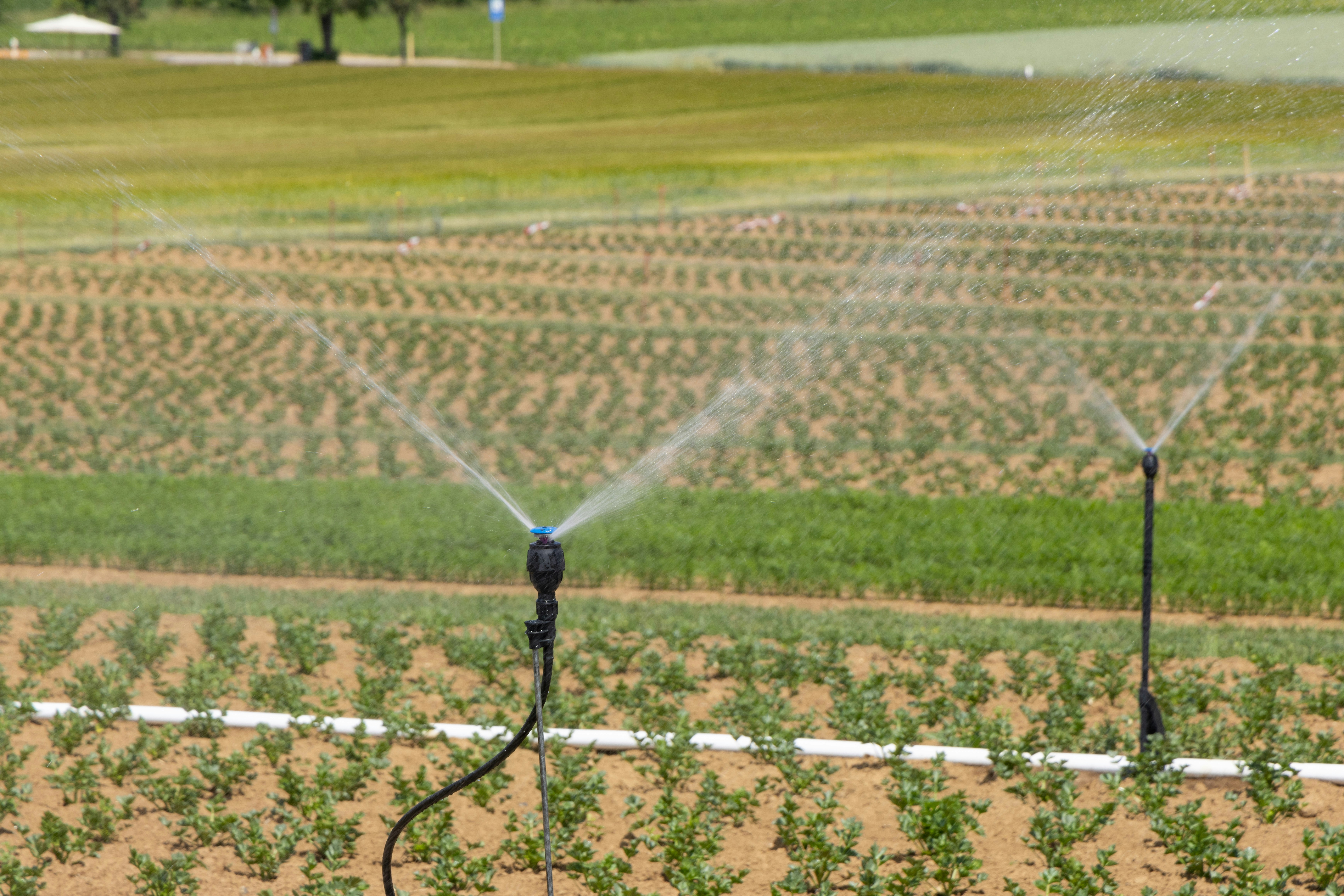
Dieses Szenario ist in Südspanien (Andalusien, EU868) angesiedelt, wo die Wasserverfügbarkeit und die Kostenvolatilität die Bewässerungsteams dazu gezwungen haben, nachzuweisen, anstatt einfach anzunehmen, dass jede Zone das tut, was der Zeitplan vorsieht.
Einige Datenpunkte, die den Druck erklären:
- Die Landwirtschaft ist nach wie vor für rund 701 Tonnen Süßwasserentnahmen weltweit verantwortlich, daher werden Effizienzprojekte finanziert, wenn Wasser knapp ist. (3)
- In der EU waren im Jahr 2023 mindestens eine Saison lang 281.030.000 Hektar Land von Wasserknappheit betroffen, und der Rückgang der betroffenen Fläche ist nicht verlässlich erkennbar. (2)
- Insbesondere in Spanien wird in veröffentlichten Studien, die auf nationalen Statistiken basieren, die Landwirtschaft als dominierender Wasserverbraucher genannt (oft im niedrigen 80%-Bereich, je nach Definition und Jahr). (4)
- Auch der Golfsport steht unter Beobachtung. In den USA meldeten Golfplätze im Jahr 2024 einen um 311 Tonnen geringeren Wasserverbrauch als im Jahr 2005, was verdeutlicht, wie stark der Sektor zu messbaren Reduzierungen gedrängt wird. (5)
Nun kommen die gesetzlichen Bestimmungen hinzu. Aufbereitetes Wasser wird zunehmend in die Bewässerungsplanung einbezogen, und die EU-Vorschriften zur Wasserwiederverwendung in der Landwirtschaft gelten seit … Juni 2023. (6)
Dies ist die Welt, in der unser hypothetischer Kunde agiert.
Kundenprofil: Mehrstandort-Netzwerk für landwirtschaftliche Bewässerung und Golfplatzbewässerung
Kunde: “Sol y Verde Operations” (zusammengesetztes Beispiel)
Verwaltete Anlagen und Bewässerungsinfrastruktur
- 650 ha hochwertiges, bewässertes Ackerland (Tropfbewässerung, mehrere Parzellen, lange Zuleitungen).
- Ein 18-Loch-Resort-Golfplatz plus Übungsbereiche.
- Mischung aus kommunaler und aufbereiteter Wasserversorgung, mit saisonalen Zuteilungsbeschränkungen.
Topologie des Bewässerungsnetzes (vereinfachte Übersicht)
- 2 Pumpstationen (Landwirtschafts- und Golfplatz)
- 1 Hauptverteilungsschleife pro Standort
- 240 “kritische Ventile” (Sektorabsperrventile, Druckregelungspunkte und Ventile, die in der Vergangenheit anfällig für Drift waren)
- Vorhandene Telemetrie: Durchflussmesser an den Pumpenausgängen, Druck Sensoren an einigen Endpunkten, Wetterstation, Steuerungspläne
Die Sichtbarkeitslücke: Was die bestehende Telemetrie nicht zeigen konnte
Sie konnten die Pumpenlaufzeit und den Gesamtförderstrom sehen, aber nicht beweisen dass das richtige Ventil zum richtigen Zeitpunkt im richtigen Winkel geöffnet war.
Das Kernproblem: Intelligente Bewässerungspläne ohne Ventilsicherheit
Vor der Instrumentierung sah ihre operative Realität folgendermaßen aus:
Angenommene Ventilzustände vs. verifizierte Ventilposition
Ein Bewässerungsplan könnte beispielsweise “Zone 7 für 42 Minuten” vorsehen. Wenn ein Ventil nach der Wartung um 20° von seiner Sollposition abwich, lief die Zone trotzdem. Die Pumpe verbrauchte weiterhin Strom. Die Rasenfläche oder die Anbaufläche erhielt entweder zu wenig Wasser (Stress) oder zu viel (Oberflächenabfluss, Krankheitsdruck).
Warum manuelle Ventilinspektionen im großen Maßstab versagten
Zwei Techniker, die die Ventilkästen im Wechsel kontrollieren, klingen zunächst gut, bis Hitze, Entfernung und die Hauptsaison eintreten. Die Kontrollen werden dann vernachlässigt. Probleme mit den Ventilen traten erst dann zutage, wenn die Folgen sichtbar wurden (braune Flecken, Ertragseinbrüche oder verärgerte Anrufe).
Unbefugte und versehentliche Ventileinstellungen
Fremdfirmenmitarbeiter, Saisonkräfte und selbst gutmeinende Helfer reparieren manchmal ein Ventil vor Ort, ohne dies zu dokumentieren. Ohne Rückmeldung erfährt der Bewässerungsmanager erst Tage später davon.
Wie Ventilfehler zu erhöhtem Wasser- und Energieverbrauch führten
Der Energieverbrauch beim Pumpen ist nicht zu vernachlässigen. Ein häufig zitierter US-Richtwert liegt bei etwa 0,59 kWh pro Kubikmeter Bewässerungswasser, wobei die tatsächlichen Werte je nach Förderhöhe, Druck und Pumpeneffizienz stark variieren.
Selbst die einfachsten physikalischen Gesetze sind unerbittlich: Das Anheben von 1 Megaliter um 1 Meter verbraucht etwa 4,55 kWh (vor Verlusten).
Und Strom ist weder billig noch stabil. In Spanien lag der von Eurostat gemeldete durchschnittliche Strompreis für Nicht-Haushaltskunden im ersten Halbjahr 2025 bei rund 0,1902 €/kWh (einschließlich aller Steuern und Abgaben).
Diese Kosten führten dazu, dass “unsichtbare Ventilfehler” auf Vorstandsebene diskutiert wurden.
Warum Ventilpositionssensoren Durchflussmessern allein überlegen sind
Durchflussmesser sind toll, aber sie beantworten die Frage “Wie viel hat sich bewegt?”, nicht aber “Welches Ventil hat das verursacht?”.”
Das Betriebsteam wollte mehr wissen: Welches Ventil sich bewegte; Richtung (offen oder geschlossen); Wie weit es sich bewegte (Winkel); Wie viele Umdrehungen es im Laufe der Zeit machte (Verschleiß, Nutzungsintensität).
Das ist genau das Sensormodell des Lansitec Ventilpositionierungssensor:
- Magnetbasierte Rotationsverfolgung mit einer Genauigkeit von 1° über den gesamten Bereich von 0° bis 360° sowie Angabe der Drehrichtung und der Gesamtzahl der Umdrehungen.
- Maximale Anzahl an Drehungen: ±50, mit einer Meldeverzögerung von 5 Sekunden (nützlich für nahezu Echtzeit-Warnungen).
- LoRaWAN Uplink mit AES-128-Sicherheitsprimitiven auf Protokollebene (und auch die Gerätespezifikation fordert AES128).
- IP68, kompaktes Gehäuse und zwei 2800-mAh-Batterien (insgesamt 5600 mAh), mit einer geschätzten Standby-Zeit von ca. 4 Jahren bei 5 Ventilzustandsmeldungen pro Tag.
- FOTA über Bluetooth, sodass Firmware-Updates keine Deinstallation des Geräts erfordern.
- Regionale Bandunterstützung einschließlich EU868 (wichtig für diese Region).
Für die Planung der Konnektivität, LoRaWAN Die Weideflächenmerkmale eigneten sich gut für dünn besiedelte landwirtschaftliche Flächen: Häufig zitierte Quellen. ländliches Potenzial über 10 km, während sie in dicht besiedelten städtischen Gebieten typischerweise niedriger ist.
Lösungsdesign: Architektur zur Fernverifizierung von Ventilen
Hardware- und LoRaWAN-Netzwerkdesign
- 240 Ventilpositionierung Sensoren Zuerst an “kritischen Ventilen” installieren.
- 3 LoRaWAN Gateways so positioniert, dass sich die Abdeckung überlappt (eines in der Nähe jeder Pumpstation, eines auf erhöhtem Gelände).
- OTAA wird für die Bereitstellung verwendet (ABP wird als Option für Sonderfälle beibehalten).
Für Akkulaufzeit und Ereignisse optimierte Berichtslogik
Sie verwendeten ein einfaches Muster:
- Ereignisgesteuerte Uplinks bei erkannter Ventilbewegung.
- Herzschlag in angemessenen Abständen, um Lebendigkeit nachzuweisen.
- Eine Richtlinie, die vorsieht, dass bei einer Winkeländerung von mehr als X Grad eine Meldung erfolgen muss, abgestimmt auf den jeweiligen Ventiltyp, zuzüglich einer täglichen Zusammenfassung.
Dies steht im Einklang mit dem Konzept des Geräts, konfigurierbare Meldungen/Herzschlagdaten zu liefern, und dem angegebenen mehrjährigen Batterieziel bei moderater täglicher Meldung.
Operative Integration: Ventildaten in konkrete Maßnahmen umsetzen
Sie haben es nicht unnötig verkompliziert. Die Integration basierte im Wesentlichen auf drei Regeln:
- Abweichungsalarm: Wenn die Steuerung meldet, dass eine Zone in Betrieb ist, der Ventilwinkel aber nicht innerhalb des erwarteten Bereichs liegt, wird ein Alarm ausgelöst.
- Drifterkennung: Wenn sich der Ruhewinkel eines Ventils über mehrere Tage langsam verändert, sollte es zur Überprüfung markiert werden (Verschleiß der Dichtung, Vibrationen, menschliche Manipulation).
- Wartung der Abfertigungszahlen: Wenn die Abfertigungszahlen einen normalen Wert überschreiten, planen Sie einen Service ein, bevor es zu einem dauerhaften Anstieg kommt.
Der 3D-Beschleunigungsmesser wurde als sekundärer Indikator für Bewegungen an bestimmten Standorten mit Vibrationsproblemen und zur Unterstützung der grundlegenden Kalibrierung eingesetzt.
Modellergebnisse: Messbare Auswirkungen bei transparenten Annahmen
Dies ist ein hypothetischer Einsatz, daher sind die folgenden Ergebnisse modelliert aus:
- die für den Standort angenommenen Pumpenprotokolle und Bewässerungsmengen,
- Veröffentlichungen zu Einsparungen bei intelligenter Bewässerung (oft bis zu ~301 TP3T, abhängig von Basiswert und Methode) und
- konservative Zuordnung speziell zur “Ventilprüfung” und nicht zur vollständigen Automatisierung.
Vorher-Nachher-KPIs für eine Bewässerungssaison
Angenommenes jährliches Bewässerungsvolumen im Basiswert:
- Bauernhof + Golf kombiniert: 2,50 Millionen m³/Jahr
Die modellierten Verbesserungen sind hauptsächlich auf die Ventilprüfung zurückzuführen:
- Wassereinsparung: 6–10% (für die ROI-Berechnung wurden 8% verwendet)
- Ungeplante “Zonenausfälle” (Unterwasserereignisse): Rückgang um ca. 601 TP3T
- LKW rollt zur Inspektion: unten ~35%
Das ergibt:
| Metrisch | Vor | Nach | Ändern |
|---|---|---|---|
| Jährliches Bewässerungsvolumen | 2,50 Mio. m³ | 2,30 Mio. m³ | -200.000 m³ |
| Geschätzter Pumpenergiebedarf (0,59 kWh/m³ Richtwert) | 1,48 Mio. kWh | 1,36 Mio. kWh | -118.000 kWh |
| Energiekosten (spanischer Vergleichswert für Nicht-Haushalte) | 281.000 € | 259.000 € | -22.000 € |
Energieintensität und Strompreise variieren, aber die Verwendung allgemein anerkannter Vergleichswerte sorgt dafür, dass das Modell fair und vergleichbar bleibt.
Wichtigste Faktoren für Wasser- und Energieeinsparungen
Einfach ausgedrückt, drei Dinge:
- Schnellere Erkennung fehlerhafter Ventilzustände. Eine Zone, die früher tagelang “falsch” lief, löste nun innerhalb von Minuten eine Warnung aus.
- Weniger Überwässerungsvorfälle durch klemmende Ventile. Sobald sich ein Ventil bewegte, obwohl es das nicht sollte, wurde dies vom System gemeldet.
- Die Wartungszeiten wurden optimiert. Die Abbiegehäufigkeit wurde nicht mehr nur im Einzelfall ermittelt. Der Service wurde planmäßig durchgeführt.
Und ein kleiner, aber realer operativer Vorteil: Firmware-Updates sind dank FOTA über Bluetooth nicht mehr mit dem Aufwand verbunden, das Ventil vom Ventil zu trennen und wieder anzuschließen.
Fazit: Was hat die Ventilsicherheit verändert?
Erkenntnisse für skalierbare, intelligente Bewässerungssysteme
Wenn wir das morgen einführen würden, würden wir es einfach und diszipliniert halten:
- Beginnen wir mit den Ventilen 20%, die 80% Kopfschmerzen bereiten. Kritische Isolations- und Druckmanagementpunkte zuerst.
- Verwenden Sie Winkelbänder, nicht einzelne Sollwerte. Reale Ventile und Handräder haben Spiel; Alarme sollten dies berücksichtigen.
- Behandeln Sie Konnektivität wie eine Versorgungsleistung. LoRaWAN Die Platzierung des Eingangsbereichs ist zwar verzeihend, aber dennoch wichtig. Ländliche Gebiete können eine ausgezeichnete Reichweite haben, doch Vegetation und Gelände können überraschen.
Ventilautomatisierung ist schön. Ventilsicherheit ist besser.
In diesem hypothetischen Einsatz in Andalusien, Lansitec Ventilpositionierungssensor Es schloss eine ganz bestimmte Lücke, die die meisten “intelligenten Bewässerungssysteme” noch immer offen lassen: Es überprüfte die tatsächliche Funktion des Ventils in Grad und Umdrehungen, nicht in Annahmen. Mit einer Winkelgenauigkeit von 1°, Richtungserkennung und LoRaWAN Durch die Berichterstattung konnte das Betriebsteam schnell halb geöffnete Ventile, unerwartete Anpassungen und schleichende Abweichungen erkennen, die zuvor hinter dem Gesamtdurchfluss und der Pumpenlaufzeit verborgen geblieben waren.
Das Ergebnis war praktisch und messbar: weniger Begehungen vor Ort, weniger unerklärliche Ausfälle der Bewässerung und modellierte Reduzierungen des Wasser- und Pumpenergieverbrauchs, die in einer Region, in der Knappheit und Kostendruck stetig zunehmen, sinnvoll sind.
Der entscheidende Punkt ist folgender: Sobald die Ventilposition aus der Ferne nachgewiesen werden kann, wird die Optimierung der Bewässerung in allen anderen Bereichen deutlich einfacher. Die Bewässerungsplanung wird verlässlicher, die Fehlersuche beschleunigt sich und die Wartung wandelt sich von reaktiv zu planmäßig. Solche Verbesserungen sind für die Teams sofort spürbar und lassen sich von der Finanzabteilung Saison für Saison rechtfertigen.
Referenzen und weiterführende Literatur:
- (1) AQUASTAT – Globales Informationssystem der FAO zu Wasser und Landwirtschaft
- (2) Europäische Umweltagentur: Wasserknappheit in Europa
- (3) UNESCO Wasser für Wohlstand und Frieden
- (4) Caixa Bank Forschung: Die Nutzung von Wasser in der Landwirtschaft
- (5) GCSAA
- (6) EU-Regeln zur landwirtschaftlichen Wasserwiederverwendung




 English
  ไทย
ไทย  한국어
한국어  Français
  Deutsch
  Español
  日本語
日本語  العربية
  Italiano
  Português