Manche Asset-Tracker sind für Dashboards konzipiert. Lansitecs Asset Management Tracker scheint wie geschaffen für die oft unpraktischen Datenquellen, aus denen Dashboards ihre Daten beziehen.
Ein Stahltransportkoffer im Depot. Ein Generator an einem abgelegenen Standort. Eine Kühlbox für medizinische Geräte, die dreimal den Besitzer wechselt, bevor sie jemand eincheckt. An diesem Punkt wird die Anlagenverfolgung von einem Standortproblem zu einem betrieblichen Problem.
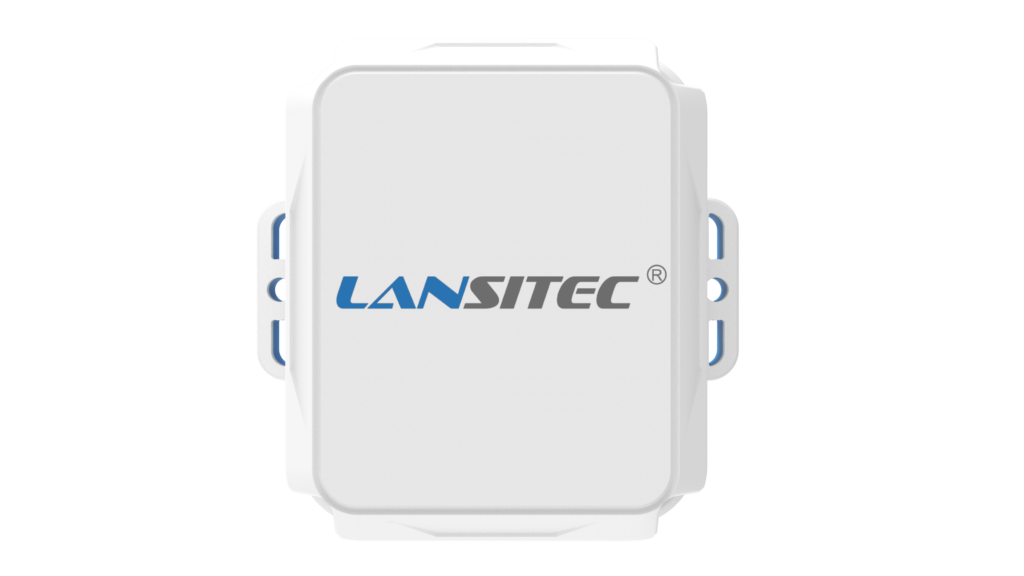
Die Lansitec Asset-Management-Tracker ist für diese Realität konzipiert. Es kombiniert GNSS, Bluetooth 5.0, Bewegungserkennung, Manipulationserkennung, Türöffnungs-/Schließüberwachung, Vibrations-/Stoßerkennung, Offline-Cache und robuste Industrieverpackung. Und das Beste: Es wird geliefert in LoRaWAN, NB-IoT/LTE-M, Und Katze-1 Versionen, sodass die Bereitstellungsteams das Netzwerkmodell auswählen können, das tatsächlich zum Standort passt, anstatt jedes Projekt in ein einziges Konnektivitätssystem zu zwingen. Wir listen die LoRaWAN Modell mit GNSS, Bluetooth 5.0, IP68-Mechanismus, zwei 4000 mAh Li/SOCl2-Batterien, GNSS-Genauigkeit <2,5 m und Bluetooth-Positionierungsunterstützung für Innenräume.
Was ist ein Asset-Management-Tracker?
Der Hauptreiz liegt nicht allein in der Frage “Wo ist mein Vermögen?”. Diese Frage ist zwar hilfreich, aber begrenzt. Die bessere Frage lautet: Was ist mit diesem Vermögen geschehen, wo ist es passiert und muss ich jetzt handeln?
Der Tracker beantwortet diese Frage mit einer praktischen Mischung aus Signalen:
Hauptmerkmale des Lansitec Asset Management Trackers
| Problem | Wie der Tracker hilft |
|---|---|
| Zwischen den Standorten geht Ausrüstung verloren | GNSS-basierte Ortung im Freien und BLE-basierte Erkennung in Innenräumen/Standortzonen |
| Ein Fall wird unerwartet eröffnet | Türöffnungs-/Schließerkennung und Manipulationswarnungen |
| Die Maschinen werden außerhalb der vereinbarten Zeiten benutzt. | Bewegungsdauer und Vibrations-/Stoßüberwachung |
| Vermögenswerte durchqueren Gebiete mit schwacher Netzabdeckung. | Der Offline-Cache speichert bis zu 40 Positionen für den späteren Upload. |
| Mehrere Artikel befinden sich in einem größeren Koffer. | Anlagenverwaltung mit Bluetooth-Tags in der Nähe |
Wir haben beobachtet, dass Kunden sich zunächst auf die Verfolgung des Containers konzentrieren und dann feststellen, dass der eigentliche Verlust im Inneren liegt: Werkzeuge, Ersatzteile, Bausätze, Temperaturfühler oder Mehrwegverpackungen. Der Tracker kann BLE-Tags in der Nähe erfassen und ist somit nicht nur für die Verfolgung einzelner Objekte, sondern auch für die vollständige Transparenz von Objekten im gesamten System nützlich.
LoRaWAN-Anlagenverfolgung für Industrieanlagen und private Netzwerke
Wählen Sie die LoRaWAN Asset Management Tracker, wenn Sie die Website kontrollieren oder bereits haben LoRaWAN Abdeckung.
Dies ist die ideale Lösung für Fabriken, Logistikzentren, Campusgelände, Häfen, Lagerhallen, landwirtschaftliche Betriebe und Industriegebiete, wo eine lange Akkulaufzeit und niedrige laufende Netzwerkkosten gefragt sind. LoRaWAN Das Modell unterstützt den Betrieb der Klasse A, OTAA- oder ABP-Aktivierung, regionale Frequenzbänder wie EU868, US915, AS923, AU915, KR920, IN865, CN470 und weitere sowie AES128-Verschlüsselung. Positions- und Heartbeat-Intervalle sind konfigurierbar; im Katalog sind beispielsweise 5-Sekunden-Positionsmeldungen und 30-Sekunden-Heartbeat-Meldungen aufgeführt.
Der praktische Vorteil? Man kann es abstimmen.
Eine Pumpe, die nur zweimal im Monat bewegt wird, muss nicht wie ein Gabelstapler gemeldet werden. Ein versiegeltes Rettungsset benötigt möglicherweise nur eine Statusmeldung, eine Türöffnungswarnung und einen Ausnahmereport. Bei einem Mietgerät sind unter Umständen Bewegungsdauer und Geofencing-Ereignisse zu erfassen. LoRaWAN ermöglicht es Ihnen, dieses Verhalten genau zu steuern, insbesondere wenn es auf Gesprächszeit und Akkukapazität ankommt.
Der Kompromiss ist offensichtlich: Man braucht LoRaWAN Abdeckung. Für eine private Einrichtung ist das ein Vorteil. Für Anlagen, die unbekannte öffentliche Strecken überqueren, kann sie sich jedoch als ungeeignet erweisen.
NB-IoT vs LTE-M Asset-Tracking für entfernte Anlagen
Der NB-IoT/LTE-M Asset Management Tracker eignet sich besser, wenn Assets Ihr Unternehmen verlassen. LoRaWAN Sie benötigen zwar einen gewissen Speicherplatz, melden aber dennoch relativ kleine Datenpakete. Beispiele hierfür sind Inspektionssets für Pipelines, intermodale Container, externe Servicegeräte oder dezentrale Lagerbestände.
Wir listen BDS/GPS/GLONASS/GALILEO/QZSS GNSS, <2,5 m CEP50 Positionierung, Bluetooth 5.0 Mit iBeacon-Unterstützung, MQTT und HTTP(S), Nano-SIM- und eSIM-Unterstützung sowie LTE-M- und NB-IoT-Bandabdeckung bietet das Produkt außerdem Funktionen wie Barometer mit 1 m Höhengenauigkeit, Sturzerkennung, G-Sensor-Unterstützung und NFC-Option., BLE-Nutzlastfilterung, und Bluetooth-Datenkomprimierung.
Diese Variante ist besonders interessant für Anlagen, die keine vollständige Cat-1-Funktionalität erfordern, aber dennoch eine öffentliche Mobilfunkverbindung benötigen. Sie ist nicht die spektakulärste Lösung. Das ist aber völlig in Ordnung. Viele Anlagenverfolgungsprojekte benötigen keine hohe Bandbreite; sie benötigen zuverlässige Fehlerberichte, eine effiziente Batterienutzung und eine direkte Verbindung zu einem MQTT- oder HTTP-Server.
Ein wichtiger Hinweis: Die Abdeckung, das Roaming und das Mobilitätsverhalten von NB-IoT und LTE-M hängen stark vom jeweiligen Mobilfunkanbieter ab. Wir würden das SIM-Profil und das Meldeintervall überprüfen, bevor wir die Pilotphase abschließen.
Anlagenverfolgung der Kategorie 1 für Logistik- und mobile Ausrüstung
Der Cat-1 Asset Management Tracker ist die flexibelste Mobilfunkversion. Lansitec positioniert sie für die permanente Vernetzung von Anlagen im Innen- und Außenbereich mit Multi-GNSS, BLE 5.0, LTE Cat-1, zwei 4000-mAh-Li/SOCl2-Zellen und Bewegungserkennung. Sensoren, ein Sabotageschalter und eine Türöffnungserkennung. Erwähnenswert sind außerdem die über 25 FDD-Bänder, Nano-SIM oder eSIM sowie MQTT-, HTTP(S)-, TCP- und UDP-Uplinks.
Diese Version würden wir für die Logistik über Regionen hinweg, die Einhaltung der Kühlkette, den Transport von Museums- und Ausstellungsstücken, die Containersicherheit und den unbeaufsichtigten Transport von Maschinen zwischen Kundenstandorten verwenden.
Cat-1 bietet mehr Konnektivitätsreserven als NB-IoT. Das kann wichtig sein, wenn Sie eine schnellere Ereignisübermittlung, eine breitere Netzbetreiberkompatibilität oder eine flexiblere Backend-Integration benötigen. Der Nachteil sind der höhere Stromverbrauch und der höhere Datenverbrauch. Daher sollte die Wahl bewusst und nicht aus Gewohnheit getroffen werden.
Spezifikationen und robuste Designmerkmale des Asset-Management-Trackers
Der Asset Management Tracker ist klein genug, um auch dort Platz zu finden, wo sperrige Tracker Dies könnte ein Argument für den Einsatz sein. Die angegebenen Abmessungen betragen 78 × 79 × 35 mm mit Befestigungslaschen bzw. 78 × 66 × 35 mm ohne, bei einem Gewicht von ca. 133 g. Der Betriebstemperaturbereich liegt zwischen -45 °C und +85 °C. Das Gehäuse besteht aus PC und ABS, die Leiterplatte ist wasserdicht beschichtet.
Die besten Anwendungen zur Anlagenverfolgung für Ausrüstung und Logistik
Die überzeugendsten Anwendungsfälle sind nicht die generische Anlagenverfolgung. Sie sind betriebsspezifisch:
- Verfolgung von Bau- und SchwergerätenBringen Sie den Tracker an Pumpen, Generatoren, Kompressoren, Gabelstaplern oder mobilen Werkzeugen an. Nutzen Sie die Bewegungsdauer und Vibrations-/Stoßereignisse, um die tatsächliche Nutzung zu verstehen, nicht nur den letzten bekannten Standort.
- Containerverfolgung und TransportsicherheitGNSS, Türerkennung, Manipulationserkennung und Offline-Cache werden kombiniert. Sobald die Verbindung wiederhergestellt ist, hilft der gespeicherte Routenverlauf, die Ereignisse während der Funklöcher zu erklären.
- Kühlketten- und medizinische AnlagenverfolgungKoppeln Sie BLE-Temperaturfühler in Kühlboxen oder Gehäusen und nutzen Sie den Tracker als Gerät zur flächendeckenden Meldung. Hierbei erweist sich Cat-1 als besonders nützlich für dringende Grenzwertüberschreitungen.
- Transparenz der Lager- und HofanlagenNutzen Sie BLE-Tags für Inhalte, GNSS im Freien und Bluetooth-Positionierung in Innenräumen. Das ist zwar keine zentimetergenaue RTLS-Ortung, aber für viele Standorte ist die Sichtbarkeit auf Raum-, Zonen-, Hof- und Containerebene genau richtig.
Lohnt sich der Lansitec Asset Management Tracker?
Der Lansitec Asset Management Tracker ist eine gute Wahl für Teams, die mehr als nur Punkte auf einer Karte benötigen.
Seine beste Eigenschaft ist die Ausgewogenheit: GNSS, wenn sich das Gerät im Freien befindet, Bluetooth, wenn es sich in Innenräumen oder in der Nähe bekannter Personen befindet Leuchtfeuer, Sensoren Wenn der Standort allein nicht ausreicht, und drei Netzwerkoptionen für unterschiedliche Einsatzrealitäten. LoRaWAN Gewährleistet die Effizienz privater Standorte. NB-IoT/LTE-M eignet sich für die unkomplizierte Fernüberwachung über Betreibernetze. Cat-1 bietet mehr Flexibilität im Mobilfunknetz für den mobilen Einsatz und umfassendere Integrationen.
Ist es der richtige Tracker für jede Aufgabe? Nein.
Für die Indoor-Live-Positionierung im Submeterbereich bietet Lansitec die Lösung. Ultrabreitbandige Breitbandtechnologie (UWB) Oder AoA-Systeme eignen sich möglicherweise besser. Für die Sendungsverfolgung von Einwegartikeln mag ein Etiketten-Tracker einfacher sein. Doch für robuste, wiederverwendbare und mehrjährige Anlageninformationen auf Betriebsgeländen, in Lagerhallen, Containern, Außendienststellen und Servicebetrieben ist dies ein äußerst praktisches Gerät. Und genau darum geht es: um Praktikabilität.
 English
  ไทย
ไทย  한국어
한국어  Français
  Deutsch
  Español
  日本語
日本語  العربية
  Italiano
  Português