

B011 Farol de capacete
[visual-link-preview encoded=”eyJ0eXBlIjoiZXh0ZXJuYWwiLCJwb3N0IjowLCJwb3N0X2xhYmVsIjoiIiwidXJsIjoiaHR0cHM6Ly93d3cubGFuc2l0ZWMuY29tL3Byb2R1Y3RzL2hlbG1ldC1iZWFjb24vIiwiaW1hZ2VfaWQiOi0xLCJpbWFnZV91cmwiOiJodHRwczovL3d3dy5sYW5zaXRlYy5jb20vd3AtY29udGVudC91cGxvYWRzLzIwMjMvMDYvSGVsbWV0LVNlbnNvcl9Qcm9kdWN0LU1haW4tUGFnZS5wbmciLCJ0aXRsZSI6IkIwMTEgSGVsbWV0IEJlYWNvbiIsInN1bW1hcnkiOiJUaGUgTGFuc2l0ZWMgQjAxMSBIZWxtZXQgQmVhY29uIGlzIHB1cnBvc2UtYnVpbHQgZm9yIGluZHVzdHJpYWwsIGhlYWx0aGNhcmUsIG9yIHNlY3VyaXR5IGNvbnRleHRzIHdoZXJlIHJlbGlhYmxlLCBsb25nLWxhc3RpbmcgQmx1ZXRvb3RoIHRyYWNraW5nIGlzIGNydWNpYWwuIiwidGVtcGxhdGUiOiJzaW1wbGUifQ==”]
The B011 served as the primary wearable device, selected for its:
- Bluetooth 5.1 AoA support
- Bateria recarregável de 1200mAh (1-year runtime at 0.5s intervals)
- IP66 ingress protection
- An optional buzzer for audio alerts and worker recall
- Adjustable advertising intervals: 100ms to 10s
- Weight: only 90g — ideal for helmet mounting
These faróis constantly broadcast positioning packets. When received by surrounding portões equipped with AoA antenna arrays, they enable 2D trilateration to estimate precise location.
Macro Bluetooth Gateways (LoRaWAN)
[visual-link-preview encoded=”eyJ0eXBlIjoiZXh0ZXJuYWwiLCJwb3N0IjowLCJwb3N0X2xhYmVsIjoiIiwidXJsIjoiaHR0cHM6Ly93d3cubGFuc2l0ZWMuY29tL3Byb2R1Y3RzL2xvcmF3YW4tbWFjcm8tYmx1ZXRvb3RoLWdhdGV3YXkvIiwiaW1hZ2VfaWQiOi0xLCJpbWFnZV91cmwiOiJodHRwczovL3d3dy5sYW5zaXRlYy5jb20vd3AtY29udGVudC91cGxvYWRzLzIwMjMvMDYvTWFjcm8tQmx1ZXRvb3RoLUdhdGV3YXlfUHJvZHVjdC1NYWluLVBhZ2UucG5nIiwidGl0bGUiOiJMb1JhV0FOIE1hY3JvIEJsdWV0b290aCBHYXRld2F5Iiwic3VtbWFyeSI6IlRoZSBMYW5zaXRlYyBNYWNybyBCbHVldG9vdGggR2F0ZXdheSB0YWtlcyBsb25nLXJhbmdlLCBsb3ctcG93ZXIgdHJhY2tpbmcgdG8gdGhlIG5leHQgbGV2ZWwuIERlc2lnbmVkIHdpdGggTG9SYVdBTiBhbmQgQmx1ZXRvb3RoIDUuMCBhdCBpdHMgY29yZSwgaXQgZWZmaWNpZW50bHkgZ2F0aGVycyBiZWFjb24gb3Igc2Vuc29yIGRhdGHigJRzdWNoIGFzIHRlbXBlcmF0dXJlLCBodW1pZGl0eSwgb3IgbG9jYXRpb27igJRhbmQgZm9yd2FyZHMgaXQgdG8gTG9SYVdBTiBnYXRld2F5cyBmb3IgcmVhbC10aW1lIG1vbml0b3JpbmcuIiwidGVtcGxhdGUiOiJ1c2VfZGVmYXVsdF9mcm9tX3NldHRpbmdzIn0=”]
Installed every 80–100 meters within the tunnels, these portões:
- Receive BLE packets from nearby faróis (range ~100–150m line-of-sight)
- Use AoA antenna arrays to calculate signal direction
- Relay position data to the LoRaWAN server via long-range uplinks
- Recurso 38,000mAh batteries, providing 3–5 years of autonomous operation
- Are IP66-rated and industrial-grade for underground conditions
Indoor & Solar Bluetooth Gateways
[visual-link-preview encoded=”eyJ0eXBlIjoiZXh0ZXJuYWwiLCJwb3N0IjowLCJwb3N0X2xhYmVsIjoiIiwidXJsIjoiaHR0cHM6Ly93d3cubGFuc2l0ZWMuY29tL3Byb2R1Y3RzL2xvcmF3YW4tc29sYXItYmx1ZXRvb3RoLWdhdGV3YXkvIiwiaW1hZ2VfaWQiOi0xLCJpbWFnZV91cmwiOiJodHRwczovL3d3dy5sYW5zaXRlYy5jb20vd3AtY29udGVudC91cGxvYWRzLzIwMjUvMDMvU29sYXItQmx1ZXRvb3RoLUdhdGV3YXlfMS01MDAlQzMlOTc1MDBweC5wbmciLCJ0aXRsZSI6IkxvUmFXQU4gU29sYXIgQmx1ZXRvb3RoIEdhdGV3YXkiLCJzdW1tYXJ5IjoiRXhwZXJpZW5jZSByZWxpYWJsZSwgcmVhbC10aW1lIHRyYWNraW5nIGFuZCBhc3NldCBtYW5hZ2VtZW50IHdpdGggdGhlIExhbnNpdGVjIFNvbGFyIEJsdWV0b290aCBHYXRld2F5LiBCdWlsdCBvbiB0aGUgcm9idXN0IExvUmFXQU4gYW5kIEJsdWV0b290aCA1LjAgcHJvdG9jb2xzLCB0aGlzIGdhdGV3YXkgc2VhbWxlc3NseSBjb2xsZWN0cyBkYXRhIGZyb20gbmVhcmJ5IEJMRSBiZWFjb25zIGFuZCBzZW5zb3Jz4oCUd2hldGhlciBpdOKAmXMgdGVtcGVyYXR1cmUsIGh1bWlkaXR5LCBvciBsb2NhdGlvbuKAlGFuZCB0cmFuc21pdHMgaXQgb3ZlciBsb25nIGRpc3RhbmNlcyB2aWEgTG9SYVdBTi4gIiwidGVtcGxhdGUiOiJ1c2VfZGVmYXVsdF9mcm9tX3NldHRpbmdzIn0=”]
- Portões internos: Installed in technical rooms, depots, control centers (PoE-powered, ceiling mounted)
- Solar Portões: Used above ground at tunnel entry points and in service yards
LoRaWAN Network
O LoRaWAN infrastructure was the backbone of the communication flow:
- Provided low-power, long-range uplink connectivity from all portões
- Encrypted with AES-128
- Operated on the AU915 band to comply with regional regulations
- Centralized data routed to MetroLink’s control system for visualization, alerts, and analytics
Bluetooth AoA Positioning: How It Works
Bluetooth Angle of Arrival (AoA) is the key technology behind MetroLink’s precise underground worker tracking.
Here’s how it operates in the field:
- The B011 Beacon emits a Bluetooth signal at intervals (e.g., every 500ms).
- At least two AoA-enabled portões receive the signal simultaneously.
- Each gateway calculates the angle from which the signal arrived using its antenna array.
- The system triangulates the beacon’s position by overlaying angles from multiple portões.
- The position is sent via LoRaWAN to the control center.
Positioning Accuracy Achieved:
- Average: 1.5–3 meters
- In optimal tunnel geometry: up to 1 meter
- In congested areas (e.g., junctions): ~3.5 meters due to signal reflection
Deployment Planning
Signal Survey & Coverage Mapping
Before full rollout, MetroLink’s tech team conducted a tunnel-wide RF survey using demo faróis and signal sniffers to:
- Identify high-reflection zones (metal grates, curved walls)
- Optimize gateway spacing (tighter in curves/intersections)
- Ensure redundancy (3 portões per zone for triangulation)
Typical Gateway Layout:
- Straight Tunnels: 1 per 80–100 meters
- Junction Zones: 3 in a triangle pattern every 50 meters
- Emergency Escape Shafts: 1 Solar Gateway at surface
Deployment Phases
Phase 1: Central Loop Pilot
- 12-km test section
- 50 faróis issued to field techs
- 40 macro portões deployed
- Solar units tested at 3 surface portals
Results:
- 95% location coverage
- 3m accuracy median
- The fall detection pilot was tested with positive feedback
Phase 2: Network-Wide Rollout
- Capacete 400 Faróis issued
- 325 Macro Portões installed
- 45 Portões internos placed in stations and hubs
- 30 Solar Portões for external access zones
Data Flow & Platform Integration
- Beacon Transmits → Gateway Receives (AoA)
- Gateway calculates the location and encrypts the payload
- LoRaWAN Gateway Uplink
- Range: 1.5–2km even in an urban environment
- Uplink rate: 1 location packet every 5 seconds (configurable)
- The central server receives and decodes the payload
- Control room operators’ view:
- Live map of personnel
- Geofence status
- Alerts (fall, SOS, zone violations)
- Equipment location (via Container Rastreadores)
Data was fed into MetroLink’s SCADA-compatible dashboard via API bridge.
Key Challenges and Solutions
|
Desafio |
Resolution |
|---|---|
|
Signal reflection in tight tunnels |
Extra gateway density + adaptive triangulation |
|
Battery access for ceiling-mounted units |
All devices selected with 3–5 year batteries |
|
Worker adoption |
Simple plug-and-play design; no UX learning |
|
Beacon collision at high density |
Staggered advertising intervals by location |
System Security and Resilience
- Criptografia: AES-128 on both Bluetooth and LoRaWAN layers
- Fail-safes:
Lessons Learned
Fine-Tuning AoA Algorithms
MetroLink collaborated with Lansitec’s engineers to:
- Calibrate antennas for tunnel curvature
- Tune algorithms to compensate for bounce interference
- Use filtered RSSI + AoA fusion for edge accuracy
Infrastructure Redundancy is Non-Negotiable
Dual-layer coverage (AoA + fallback zone triangulation) ensured worker positions could be resolved even with a failed node.
Gateway Battery Planning Matters
Macro portões required less frequent servicing, but battery modeling was essential, including temperature-based drain rate simulations.
Future Expansion: Technical Plans
MetroLink’s roadmap includes:
- Edge AI modules no portões for local anomaly detection
- Temperatura sensores em faróis for fire safety alerting
- Zone-specific alerts via buzzer feedback (e.g., entering hazard zones)
- Contractor Beacon Pooling: a temporary beacon issuance system with expiration protocols
Conclusão
The technical success of MetroLink’s Bluetooth AoA tracking deployment lies in planning, device synergy, and operational realism. By combining Lansitec’s B011 Helmet Faróis, Macro Portões, Solar units, e LoRaWAN connectivity, the authority achieved a system that is not only precise but rugged, autonomous, and scalable.
In today’s metro infrastructure, safety is no longer a manual task. It’s engineered, wireless, and always-on.
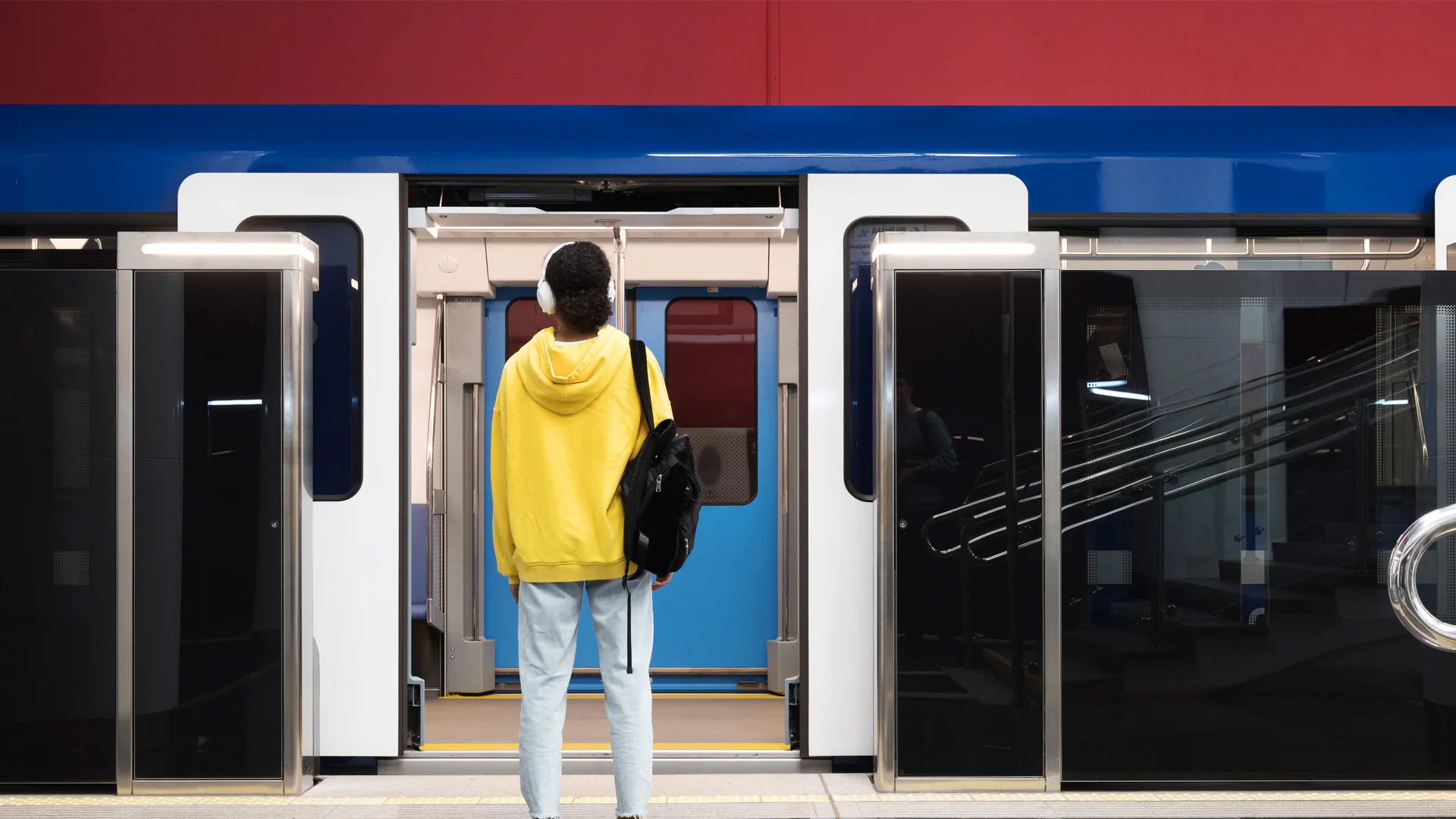
Improving Metro Safety and Efficiency with Real-Time Tracking: The MetroLink – Lansitec Partnership – Lansitec

 English
 ไทย
 한국어
 Français
 Deutsch
 日本語
 العربية
 Italiano
 Español de Chile
 Português (AO90)