
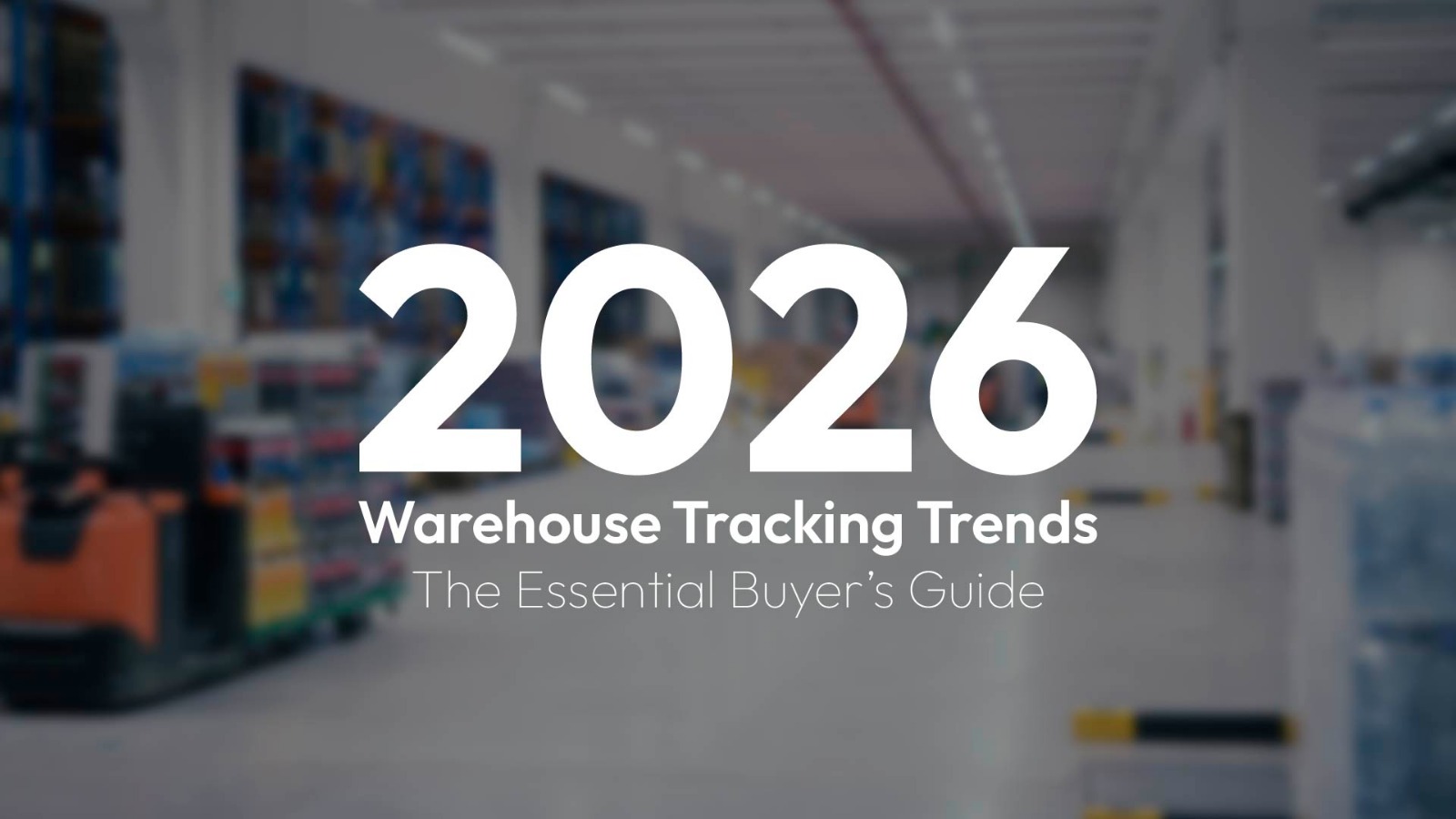
Por que o rastreamento de armazém é fácil de implementar em caráter piloto, mas difícil de escalar?
Em nossas reuniões, o mesmo padrão se repete: um projeto piloto funciona, a liderança fica entusiasmada e, então, a realidade se impõe. Devoluções. Mudanças no layout. Empilhadeiras. Interferência de radiofrequência. Revisões de segurança. De repente, "basta adicionar mais etiquetas" deixa de ser um plano.
Este artigo oferece uma visão prática das tendências de rastreamento em armazéns que moldarão o ano de 2026, e dos sinais de seleção de dispositivos que são importantes se você deseja uma solução que possa ser implementada localmente, em vez de reinventada a cada trimestre.
Principais pontos que os compradores de armazéns devem saber primeiro
- RFID e RTLS estão passando de projetos-piloto para programas, o que significa que suas escolhas de hardware devem ser replicáveis em grande escala. (1)
- Operações preparadas para IA precisam de melhor higiene de dados, e não apenas de mais registros de localização. (2)
- A interoperabilidade está se voltando para o pensamento baseado em eventos (o que aconteceu, quando, onde e por quê), o que afeta a forma como você modela os dados de rastreamento. (4)
- A cibersegurança agora é um critério de seleção, não uma nota de rodapé. (3)
- A precisão do Bluetooth está melhorando (Sondagem de Canal), portanto, você deve projetar uma infraestrutura que possa evoluir sem a necessidade de substituição completa. (5)
6 tendências críticas de rastreamento de armazéns que moldarão o ano de 2026
Do projeto piloto ao programa: ampliando o rastreamento de armazéns.
O estudo da Zebra sobre armazenagem de 2023 (publicado pela Business Wire e republicado pela Nasdaq) é direto: 581 mil dos tomadores de decisão em armazéns planejam implementar RFID até 2028, e 911 mil esperam investir em tecnologia para aumentar a visibilidade da cadeia de suprimentos até 2028. (1)
Isso não é um sinal de "experimento interessante". É planejamento orçamentário.
O que isso significa para a seleção de dispositivos em 2026:
Escolha hardware que possa ser padronizado em todos os locais. Mesma montagem. Mesma abordagem de configuração. Mesma rotina de manutenção. A etiqueta com melhor desempenho em um laboratório é menos útil do que a etiqueta que uma equipe pode implantar 5.000 vezes de forma consistente.
Sinais de seleção a serem observados:
- Funcionalidades de gestão a nível de frota (configuração remota, monitorização, atualizações)
- Regras de instalação claras (zonas, pontos de estrangulamento, posicionamento de ancoragens)
- Testes de aceitação repetíveis (cobertura, precisão, latência)
A automação torna os dados de localização confiáveis indispensáveis.
Os armazéns estão automatizando fluxos de trabalho rapidamente. O mesmo estudo da Zebra relata que 691 mil e três mil empresas já automatizaram ou planejam automatizar fluxos de trabalho até 2024, e mais da metade planeja usar softwares de aprendizado de máquina e análise preditiva até 2028. (1)
O Logistics Trend Radar 7.0 da DHL destaca a robótica, a IoT e a "infraestrutura digital" como tendências contínuas que afetam a logística, enquanto a IA se expande para áreas de tendência distintas, como visão computacional e análise avançada. (2)
O que isso significa na prática:
Os dados de localização deixam de ser apenas um "painel de controle". Eles se tornam uma entrada para as operações, às vezes para automação e tratamento de exceções. Isso muda a definição de "rastreamento eficiente".
Sinais de seleção a serem observados:
- Latência previsível (especialmente em pontos críticos como portas de docas)
- Comportamento estável sob alta densidade (muitas etiquetas, muitas faróis, muitos portais)
- Ganchos de integração que podem gerar ações, não apenas relatórios (webhooks, MQTT, APIs)

A IA transforma dados de rastreamento em valor — ou ruído.
A adoção da IA na logística deixou de ser hipotética. O DHL Trend Radar 7.0 destaca um conjunto expandido de aplicações de IA, incluindo IA Generativa, Ética em IA, IA de Áudio, Visão Computacional e Análise Avançada. (2)
Eis o problema: a IA não corrige magicamente telemetria ruim. Se o seu sistema produz duplicatas, eventos perdidos, registros de data e hora inconsistentes ou estados vagos de "zona desconhecida", suas análises se tornam um palpite caro.
O que isso significa para a seleção de dispositivos em 2026:
Escolha dispositivos e firmware que ajudem você a criar eventos limpos (chegar, partir, permanecer, carregar, descarregar), com metadados que explicam o que você está vendo.
Sinais de seleção a serem observados:
- Opções de desduplicação (especialmente para frotas de gateways BLE)
- Telemetria de saúde do dispositivo (bateria, qualidade da conexão, motivo da última visualização)
- Lógica de relatório configurável (baseada em movimento, baseada em agendamento, baseada em geocercas)
Por que o rastreamento de armazéns está migrando para dados baseados em eventos?
Se você trabalha com diversos parceiros, armazéns e transportadoras, eventualmente precisará de uma linguagem comum para "descrever o que aconteceu".“
O GS1 EPCIS foi projetado para dados de visibilidade compostos por eventos. Um evento GS1 EPCIS registra o que estava envolvido, quando ocorreu, onde ocorreu e o contexto de negócios que explica o porquê. O EPCIS 2.0 também suporta informações de status, como temperatura ou choques. (4)
O que isso significa em 2026:
Mesmo que você não implemente o EPCIS de ponta a ponta, seu sistema de rastreamento deve modelar os dados em formato de evento. Isso facilita as integrações e garante a sua preparação para o futuro, quando os clientes solicitarem exportações de rastreabilidade.
Sinais de seleção a serem observados:
- Identificadores estáveis para ativos, locais e leitores.
- Disciplina de carimbo de data/hora (tratamento de UTC, compensações de fuso horário, detecção de deriva de relógio)
- Um pipeline de eventos, não apenas pings brutos (filtros, regras, mapeamento)
A cibersegurança torna-se um requisito fundamental nas solicitações de propostas (RFP).
Mais digitalização também significa maior superfície de ataque. O Trend Radar da DHL inclui a "Cibersegurança 2.0" como uma tendência logística, descrevendo abordagens de próxima geração que utilizam IA e métodos avançados para proteger, detectar e responder a ameaças cibernéticas. (3)
O que isso significa em 2026:
Questões de segurança surgem logo no início: provisionamento, gerenciamento de credenciais, mecanismos de atualização, controle de acesso e registros de auditoria. Se o seu fornecedor não conseguir respondê-las de forma concisa, o projeto fica mais lento.
Sinais de seleção a serem observados:
- Integração segura e gestão de identidade (sem segredos padrão compartilhados)
- Estratégia de atualização de firmware realista para operações de armazém.
- Controles de acesso baseados em funções para painéis, APIs e comandos de dispositivos.
Bluetooth fica mais preciso: planeje sua atualização.
O Bluetooth Channel Sounding foi projetado para fornecer precisão em nível de centímetro (na prática, "dezenas de centímetros", com implementações iniciais em torno de +/- 20 cm), e o Bluetooth SIG observa que medições precisas de até 150 metros podem ser alcançadas, dependendo da potência de transmissão e das condições. (5)
Duas nuances importantes:
- O Channel Sounding não define um algoritmo de distância único (você ainda precisa de um), o que dá flexibilidade aos fornecedores, mas transfere a responsabilidade para as escolhas de implementação.
- A possibilidade de atualização pode exigir novos chips de silício e depende do fabricante.
O que isso significa em 2026:
Se você estiver implementando BLE hoje para visibilidade em nível de zona, projete sua infraestrutura de forma que possa adotar maior precisão posteriormente, sem precisar substituir tudo.
Sinais de seleção a serem observados:
- Infraestrutura que suporta múltiplas abordagens de posicionamento ao longo do tempo.
- Roteiro claro para compatibilidade de firmware e hardware
- Um modelo em camadas (presença, zona, alcance preciso) em vez de um modo mágico único.
Mapa de Tendências e Decisões: O que os compradores irão exigir em 2026
| Tendência | O que os compradores vão pedir em 2026 | Sinal de decisão de hardware |
|---|---|---|
| Escala além dos pilotos | “Podemos repetir isso em 10 locais diferentes?” | Ferramentas para frotas, instalações repetíveis |
| Pressão de automação | “Podemos acionar ações a partir da localização?” | Latência previsível, eventos estáveis |
| adoção de IA | “Podemos prever exceções e refletir sobre elas?” | Telemetria limpa, metadados, filtros |
| Interoperabilidade de eventos | “É possível exportar eventos de rastreabilidade?” | Modelagem e mapeamento de eventos |
| Análises de segurança | “Como faço para provisionar e atualizar?” | História de segurança credível |
| Melhor precisão BLE | “Podemos melhorar a precisão mais tarde?” | Caminho de atualização sem substituição completa. |

Lista de verificação prática para dispositivos de rastreamento de armazém em 2026
Se você for copiar apenas uma seção para uma RFP, que seja esta.
Etiquetas e sinalizadores: dispositivos de longa duração e previsíveis
Você quer dispositivos que funcionem a longo prazo, tenham um comportamento previsível e avisem quando estiverem apresentando problemas.
- Lógica de relatório configurável (tempo, movimento, mudança de zona)
- Telemetria de saúde que você pode monitorar
- Uma estratégia de bateria realista para o seu fluxo de trabalho.
Gateways e leitores: onde a maioria das implantações falha
É aqui que a maioria das falhas do tipo "funcionou no piloto" acontecem.
- Tolerância à densidade (muitos anunciantes, muitas reflexões de radiofrequência)
- Opções de filtragem de borda e desduplicação
- Ferramentas simples de validação de cobertura para instaladores
Plataforma e integração: tudo ou nada em termos de eventos.
Se o modelo de dados for confuso, tudo o que for feito posteriormente custará mais.
- Pipeline de dados orientado a eventos (chegada, partida, permanência)
- Identificações claras para ativos, locais e leitores.
- Controles de segurança que passam por auditorias básicas

Perguntas frequentes
Perguntas frequentes sobre rastreamento de armazém (Respostas do comprador)
Qual é a maior tendência de rastreamento de armazéns para 2026?
Escalando do projeto piloto para o programa completo. Os compradores querem repetibilidade em todos os locais, não um projeto personalizado a cada vez. (1)
Preciso de precisão em nível de centímetro em ambientes internos?
Muitas vezes, não. Muitos armazéns se destacam com a precisão das zonas e dos pontos de estrangulamento. Ainda assim, o Bluetooth Channel Sounding está impulsionando uma maior precisão nos principais roteiros de desenvolvimento do BLE, então é inteligente manter uma opção de atualização em aberto. (5)
Por que os dados de eventos são melhores do que os pings de localização brutos?
Porque as operações são executadas com base em eventos: chegada, partida, carregamento, permanência. O EPCIS formaliza esse pensamento usando o quê, quando, onde e porquê. (4)
Por que os dados de eventos são melhores do que os pings de localização brutos?
Porque as operações são executadas com base em eventos: chegada, partida, carregamento, permanência. O EPCIS formaliza esse pensamento usando o quê, quando, onde e porquê. (4)
Como faço para tornar o rastreamento compatível com IA?
Comece pela higiene dos dados: menos duplicatas, registros de data e hora consistentes e metadados claros. O Trend Radar da DHL mostra a IA se expandindo para diversas áreas de tendências focadas em logística, mas a base ainda são dados de entrada limpos. (2)
Quais são os princípios básicos de segurança que um sistema de rastreamento de armazém deve suportar?
Integração segura, processos de atualização realistas e controle de acesso. A cibersegurança é cada vez mais tratada como uma tendência operacional, e não apenas como uma questão de TI. (3)
Referências e leitura complementar:
- Estudo da Zebra: Quase seis em cada dez líderes de armazém planejam implementar RFID até 2028.
- O DHL Logistics Trend Radar 7.0 revela tendências emergentes em IA e soluções sustentáveis.
- DHL: Cibersegurança 2.0
- GS1: O que é o Electronic Product Code Information Services (EPCIS)?
- Sondagem de canal Bluetooth

 English
  ไทย
ไทย  한국어
한국어  Français
  Deutsch
  Español
  日本語
日本語  العربية
  Italiano
  Português