
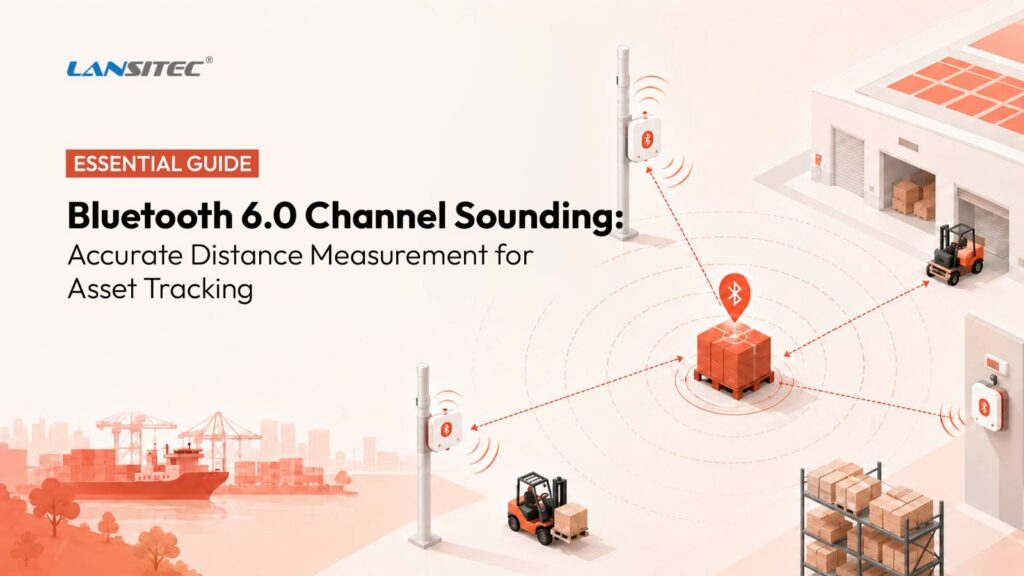
Che cos'è il suono del canale Bluetooth 6.0?
Il tracciamento dei beni tramite Bluetooth si è evoluto a più livelli.
Bluetooth 5.0 ha migliorato le fondamenta della radio. Bluetooth 5.1 aggiunta la direzione del segnale. Bluetooth 5.4 ha reso più pratica la comunicazione bidirezionale su larga scala. Poi Bluetooth Core 6.0 ha introdotto Channel Sounding, un metodo standardizzato per misurare la distanza tra due Bluetooth a basso consumo energetico dispositivi.
Fino a Bluetooth 6.0, la maggior parte dei sistemi di prossimità BLE convenzionali stimano la distanza dalla potenza del segnale ricevuto (RSSI). Funziona e lo usiamo ampiamente, ma muri, scaffalature metalliche, persone, macchinari, orientamento dell'antenna e propagazione multipath possono tutti cambiare RSSI senza che la risorsa tracciata si muova. (1)
Channel Sounding non produce semplicemente un “migliore RSSI.Misura le proprietà del canale radio stesso, tra cui fase e temporizzazione, per consentire una misurazione della distanza significativamente più precisa. (1)(2)
Bluetooth 5.0 vs 5.1 vs 5.4 vs 6.0: quali sono le novità per il tracciamento delle risorse?
| Versione Bluetooth | Importante funzione di tracciamento | Cosa apporta |
|---|---|---|
| Bluetooth 5.0 | LE Coded PHY, LE 2M, Pubblicità estesa | Maggiore portata, velocità di trasmissione dati più elevate, payload pubblicitari più consistenti e affidabilità migliorata in ambienti radio congestionati. (5) |
| Bluetooth 5.1 | Orientamento con AoA e AoD | Determina la direzione da cui arriva o parte un segnale. (4) |
| Bluetooth 5.4 | PAwR e dati pubblicitari crittografati | Supporta la comunicazione bidirezionale scalabile e la protezione standardizzata dei dati pubblicitari.(3) |
| Bluetooth 6.0 | Sondaggio del canale | Aggiunge una regolazione precisa della distanza in base alla fase e ai tempi di andata e ritorno.(1)(2) |
Queste funzionalità risolvono problemi diversi. Più recente non significa automaticamente migliore per ogni implementazione. Ancora più importante, un prodotto etichettato con una particolare versione di Bluetooth Core non implementa necessariamente tutte le funzionalità opzionali incluse in quella versione.
Funzionalità Bluetooth 5.0 per il tracciamento delle risorse
Bluetooth 5.0 ha introdotto tre modifiche che rimangono di grande rilevanza per i sistemi di tracciamento.
Il primo è stato LE Coded PHY, che applica la correzione degli errori in avanti per migliorare le prestazioni del ricevitore ed estendere il raggio di comunicazione utilizzabile senza semplicemente aumentare la potenza di trasmissione. A seconda dello schema di codifica, la documentazione del Bluetooth SIG descrive moltiplicatori di portata approssimativi di due o quattro rispetto a LE 1M, sebbene il risultato effettivo dipenda ancora dalle antenne, dalla sensibilità del ricevitore, dalla potenza di trasmissione, dalle interferenze e dall'ambiente fisico. (5)
La seconda era LE 2M, che raddoppiava la velocità di simbolo del livello fisico. Una velocità maggiore non migliora direttamente la precisione del posizionamento, ma consente ai dispositivi compatibili di scambiare dati più rapidamente e di impiegare meno tempo per la trasmissione.
Bluetooth 5.0 È stata inoltre introdotta la pubblicità estesa (Extended Advertising). Invece di trasmettere i dati dell'applicazione solo attraverso i tre canali pubblicitari primari, la pubblicità estesa può utilizzare i canali secondari nell'intero spettro Bluetooth LE. Ciò migliora la scalabilità e riduce l'esposizione alle collisioni di pacchetti in ambienti congestionati a 2,4 GHz.
Per il tracciamento delle risorse, questi miglioramenti hanno creato un collegamento radio più flessibile. Un progettista può dare priorità a portata, velocità, capacità di trasmissione o consumo energetico in base al caso d'uso.
Molti attuali Gateway Lansitec E tracker continuare a usare Bluetooth 5.0 poiché queste capacità rimangono perfettamente adatte alla raccolta dei beacon, rilevamento di presenza, inoltro dei dati dei sensori e tracciamento delle zone basato su RSSI.(6)
Bluetooth 5.1 AoA: come funziona la localizzazione della direzione
Bluetooth 5.1 ha introdotto l'orientamento spaziale attraverso due metodi:
- Angolo di arrivo, o AoA
- Angolo di partenza, o AoD
La localizzazione della direzione utilizza misurazioni di fase raccolte da un'estensione a tono costante nel segnale Bluetooth. Con AoA, un ricevitore dotato di un array di antenne misura come il segnale raggiunge le singole antenne. Può quindi stimare la direzione del tag trasmittente. (4)
Questa distinzione è importante: l'AoA determina un angolo, non una distanza diretta tra due punti.
UN sistema di posizionamento può combinare l'angolo calcolato con la posizione nota e l'altezza di installazione del gateway per stimare la posizione di un tag. Multiplo portali Può migliorare la copertura e l'affidabilità, soprattutto quando macchinari, muri o scaffalature ostruiscono il percorso diretto del segnale.
In pratica, l'AoA può fornire un posizionamento molto migliore rispetto al normale RSSI La triangolazione è possibile, ma comporta dei requisiti infrastrutturali. Il gateway necessita di un array di antenne calibrato, una posizione di montaggio stabile, un'altezza adeguata e un accurato allineamento con la mappa. Spostando leggermente il gateway, la posizione calcolata potrebbe cambiare di conseguenza, anche se il tag rimane fermo.
Bluetooth 5.1 ha quindi modificato il tipo di informazioni che un sistema di tracciamento poteva ottenere. Bluetooth 5.0 ha permesso ai dispositivi di comunicare su una distanza utile. Bluetooth 5.1 ha contribuito a determinare la provenienza del segnale. (4)
Funzionalità Bluetooth 5.4 per il tracciamento di beni su larga scala
Bluetooth 5.4 Non ha introdotto un nuovo metodo di misurazione della distanza. Il suo valore principale per il tracciamento risiede nel modo in cui i dispositivi si scambiano i dati.
Come il canale di sondaggio Bluetooth 6.0 misura la distanza
La pubblicità periodica con risposte, solitamente abbreviata in PAwR, crea una comunicazione bidirezionale, senza connessione e a basso consumo energetico in grandi reti uno-a-molti. (3)
Un trasmettitore suddivide la comunicazione in eventi programmati, sotto-eventi e slot di risposta. I dispositivi riceventi si sincronizzano con il sotto-evento pertinente anziché effettuare una scansione continua. Possono quindi inviare una risposta in uno slot assegnato senza dover mantenere una connessione convenzionale con il trasmettitore.
Questa struttura può aiutare le reti a coordinare un gran numero di tag, etichette, sensori, o controller. È particolarmente utile quando un dispositivo centrale deve distribuire informazioni e raccogliere risposte brevi da molti endpoint alimentati a batteria.
PAwR non dovrebbe essere descritto come un semplice miglioramento della portata. I suoi punti di forza sono la pianificazione, la scalabilità, la comunicazione bidirezionale senza connessione e l'efficienza energetica.
Come funziona il calcolo dei tempi di andata e ritorno
RTT misura il tempo impiegato da un pacchetto per viaggiare dall'Iniziatore al Riflettore e tornare indietro.
L'iniziatore registra l'ora di partenza del pacchetto e l'ora di arrivo della risposta. La procedura tiene conto anche del tempo di risposta del riflettore, necessario per un calcolo significativo del tempo di volo.
RTT fornisce una seconda stima della distanza. L'applicazione può confrontare i risultati di RTT e PBR, migliorando l'affidabilità e contribuendo a identificare misurazioni sospette o incoerenti. (1)(2)
Quanto è preciso il suono del canale Bluetooth?
Il Bluetooth SIG descrive Channel Sounding come una tecnologia di misurazione della distanza a livello centimetrico. In questo contesto, "a livello centimetrico" significa errori misurati in decine di centimetri, non una precisione garantita di un centimetro. (2)
Le prime implementazioni hanno dimostrato una precisione di circa ±20 cm. Il Bluetooth SIG afferma inoltre che le misurazioni a distanze fino a 150 metri potrebbero essere possibili quando entrambi i dispositivi possono trasmettere alla massima potenza consentita. Questi sono indicatori di capacità, non garanzie universali di prestazioni sul campo.
I risultati concreti dipenderanno comunque da:
- Progettazione radio e posizionamento dell'antenna
- Condizioni di visibilità diretta e multipath
- Configurazione della distanza e algoritmo di misurazione
- Movimento del dispositivo, orientamento e interferenze ambientali
La tecnica di sondaggio del canale è più resistente agli effetti ambientali rispetto alla normale misurazione della distanza tramite perdita di segnale, ma gli ambienti industriali non sono improvvisamente diventati ambienti radio tranquilli.
Misurazione della distanza Bluetooth vs. posizionamento: qual è la differenza?
Channel Sounding calcola la distanza tra due dispositivi. Non genera automaticamente una coordinata XY sulla mappa del magazzino.
Una singola misurazione della distanza indica al sistema quanto distano tra loro due dispositivi, ma non la direzione esatta da uno all'altro. In termini cartografici, il dispositivo tracciato potrebbe trovarsi in qualsiasi punto lungo una circonferenza attorno al punto di riferimento noto.
Tale misurazione può ancora fornire risposte a importanti quesiti operativi:
- Questo strumento si trova a meno di un metro dall'operatore autorizzato?
- Il pallet ha raggiunto il cancello di carico?
- Il telecomando è effettivamente abbastanza vicino da sbloccare l'armadietto?
- A quale risorsa vicina si sta avvicinando l'utente?
Per calcolare una posizione bidimensionale, un sistema in genere necessita di misurazioni di distanza da più punti di riferimento noti, informazioni sulla direzione, dati di movimento o un altro metodo di posizionamento.
È qui che i progetti ibridi diventano interessanti. RSSI Può fornire rilevamento a basso consumo e presenza approssimativa. La funzione Bluetooth Direction Finding può fornire l'angolo. La funzione Channel Sounding può aggiungere una distanza precisa quando i dispositivi sono sufficientemente vicini o quando l'applicazione richiede una maggiore affidabilità.
Bluetooth SIG supporta esplicitamente l'utilizzo di Channel Sounding insieme RSSI e orientamento spaziale. (2)
Funzionalità di sicurezza Bluetooth 6.0 per la misurazione della distanza
La misurazione precisa della distanza è fondamentale non solo per localizzare un pallet. Serrature digitali, sistemi di accesso per veicoli, macchinari protetti e controlli per aree riservate devono sapere che un dispositivo affidabile si trova fisicamente nelle vicinanze. Un malintenzionato potrebbe tentare di far apparire una credenziale remota più vicina di quanto non sia in realtà.
La funzione Bluetooth Channel Sounding include diverse contromisure, tra cui:
- Verifica incrociata dei risultati PBR e RTT
- Schemi di trasmissione e sequenze di bit casuali
- Protezione contro la manipolazione dei simboli radio
- Una metrica standardizzata per il rilevamento degli attacchi
La procedura inizia anch'essa da una connessione ACL crittografata utilizzata per scambiare le informazioni di controllo del Channel Sounding. (1)
Queste misure non eliminano la necessità di sicurezza a livello applicativo, ma rendono Channel Sounding adatto a casi d'uso in cui la prossimità deve essere misurata anziché semplicemente presunta.
Bluetooth 6.0 vs UWB vs Bluetooth AoA: qual è il migliore?
No. Amplia le opzioni di progettazione. Bluetooth 5.0 rimane pratico per i beacon rilevamento di presenza, Monitoraggio a livello di stanza, raccolta dati da sensori e implementazione di gateway a basso costo. Bluetooth 5.1 AoA rimane utile quando il sistema necessita di direzione e supporta array di antenne calibrati portali. Bluetooth 5.4 Migliora la comunicazione con grandi gruppi di dispositivi.
La funzione Channel Sounding è interessante quando l'applicazione richiede una misurazione accurata della distanza punto a punto ed entrambi i dispositivi supportano questa funzionalità.
Potrebbe ridurre la necessità di una radio di misurazione separata in alcuni casi prodotti, in particolare chiavi digitali, serrature intelligenti, dispositivi Trova il mio, controllo degli accessi e applicazioni di prossimità fine. Non sostituirà automaticamente UWB in ogni implementazione RTLS ad alta precisione. UWB Mantiene tuttora un ruolo consolidato nelle applicazioni progettate specificamente per il posizionamento rapido, con precisione centimetrica, su reti di ancoraggio definite.
C'è anche una considerazione hardware. Channel Sounding introduce nuovi requisiti per il controller e il livello fisico. Alcuni esistenti prodotti Alcuni potrebbero supportarlo tramite aggiornamenti, ma altri richiederanno un nuovo circuito integrato Bluetooth LE. (2)
UN Bluetooth 5.0 Non si deve presumere che il gateway ottenga la funzionalità Channel Sounding tramite un normale aggiornamento del firmware.
Come scegliere la tecnologia di localizzazione Bluetooth più adatta
Il numero di versione è solo l'inizio. Prima di scegliere l'hardware di tracciamento, chiedetevi cosa il sistema deve effettivamente misurare.
Hai bisogno di informazioni sulla presenza nella stanza, sulla direzione, sulla distanza o sulle coordinate complete della mappa? Con quale frequenza deve aggiornarsi la posizione? Qual è il livello di errore accettabile? Il sistema deve funzionare attraverso i muri, attorno a strutture metalliche o in aree esterne aperte? E che impatto avrà la frequente misurazione della distanza sulla durata della batteria del tag?
Abbiamo visto progetti diventare inutilmente costosi perché era stata specificata un'“elevata precisione” prima ancora che qualcuno definisse la decisione operativa che i dati di localizzazione dovevano supportare.
Bluetooth 6.0 La tecnologia Channel Sounding rappresenta un passo importante perché fornisce ai dispositivi Bluetooth una consapevolezza standardizzata della distanza. Tuttavia, la migliore architettura di tracciamento potrebbe combinare diverse generazioni e metodi. Bluetooth 5.0 può gestire in modo efficiente la comunicazione e la scoperta, Bluetooth 5.1 può determinare la direzione, Bluetooth 5.4 può coordinare grandi popolazioni di dispositivi e Bluetooth 6.0 può aggiungere una selezione precisa laddove crea effettivamente valore.
Questa è la vera evoluzione. Non una versione che ne sostituisce un'altra, ma una crescente gamma di strumenti per la creazione di sistemi di tracciamento basati su precisione, infrastruttura, durata della batteria e sicurezza, caratteristiche effettivamente richieste dall'applicazione.
Riferimenti e ulteriori letture:
- Bluetooth SIG, Panoramica delle funzionalità di base di Bluetooth 6.0
- Bluetooth SIG, Suono del canale Bluetooth
- Bluetooth SIG, Panoramica tecnica di Bluetooth Core 5.4
- Bluetooth SIG, Miglioramento dei servizi di localizzazione Bluetooth con la funzione di ricerca di indicazioni stradali.
- Bluetooth SIG, Miglioramenti alle funzionalità di Bluetooth Core 5.0
 English
  ไทย
ไทย  한국어
한국어  Français
  Deutsch
  Español
  日本語
日本語  العربية
  Italiano
  Português